Fraud
How Criminals Use Social Engineering Scams to Steal Your Money
Why Smart People Fall for Scams
If you've ever watched a news story about someone losing thousands of dollars to a scam and wondered, "How could that happen?" you're not alone. But fraud victims aren't careless or unintelligent. Looking for spelling mistakes, suspicious links or emails from “Nigerian princes” just isn’t enough anymore.
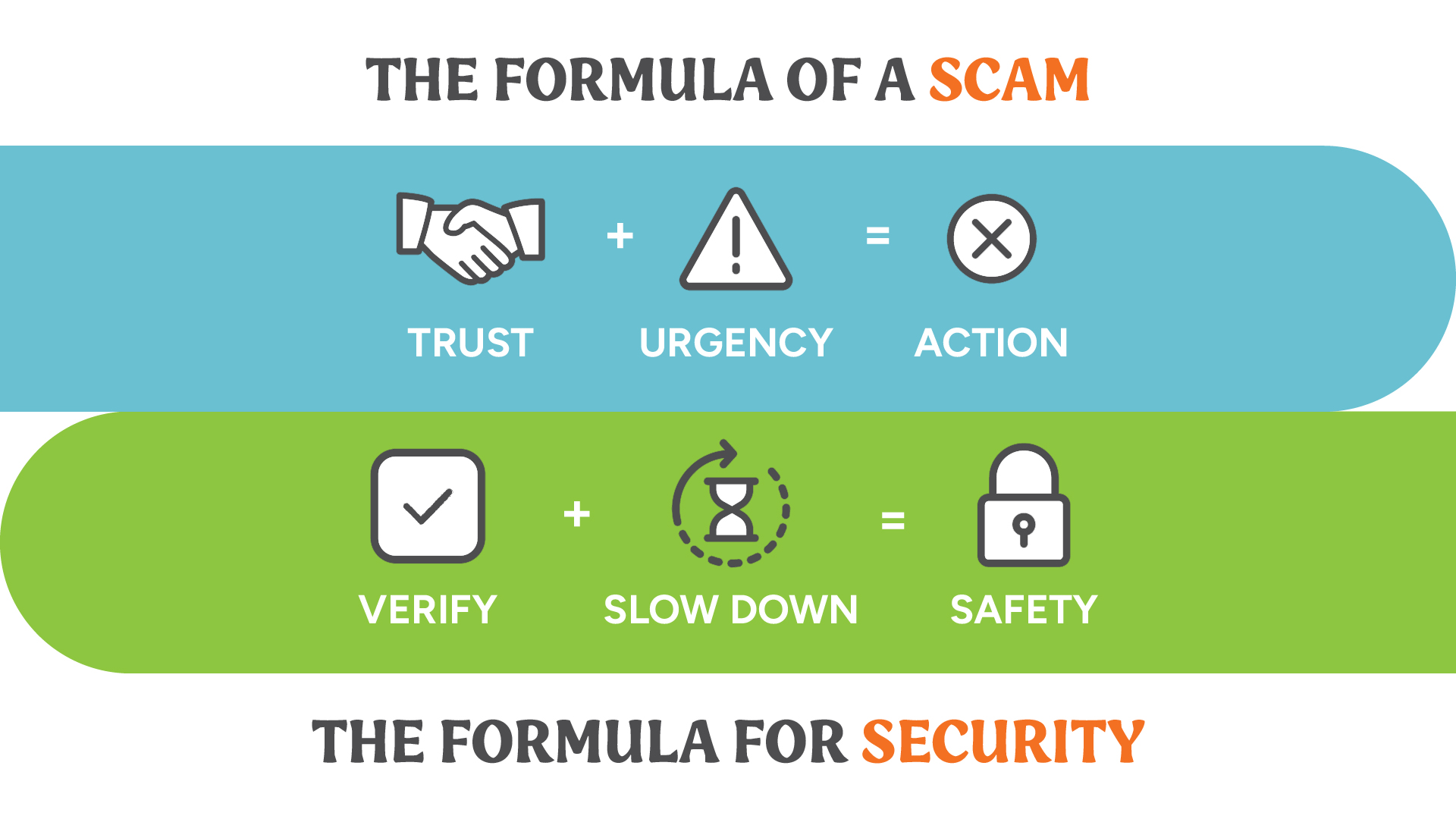
Today's fraudsters are experts at creating urgency, earning your trust and manipulating your emotions before you have time to think.
Fear, excitement, curiosity, love and even the desire to help someone can all cloud our judgment. That's exactly what scammers are counting on.
To protect yourself, you first need to understand how scammers use human psychology to get their way.
What is Social Engineering?
Social engineering is the practice of manipulating people into giving away their money, personal information or access to their devices or financial accounts.
Instead of hacking your computer, scammers are trying to hack your trust.
Artificial intelligence has made these scams more convincing than ever.
Common Types of Social Engineering Scams
Phishing Scams
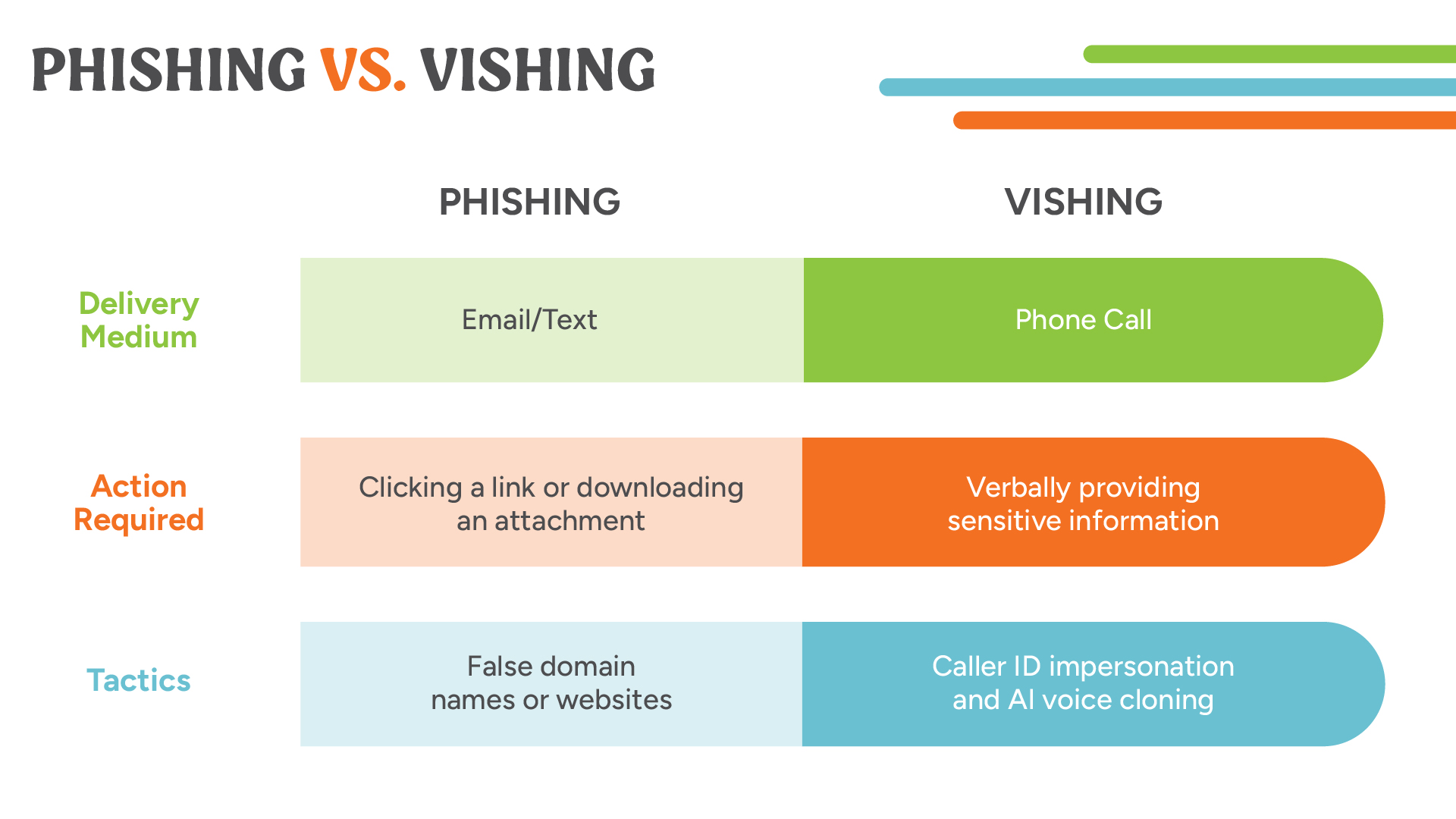
Phishing is when a scammer uses text messages, emails or fake websites to commit fraud.
You may receive a message claiming:
- Your package couldn't be delivered
- Your account has been locked
- Your financial institution detected fraud
- Immediate action is required
These messages often contain links leading to fake websites designed to steal usernames and passwords or install malware on your device.
Some red flags to look out for are urgent requests, unexpected links, requests to log in immediately or threats that your account will be closed.Vishing (Voice Phishing)
Vishing is phishing over the phone.
A scammer may claim to be calling from your financial institution and ask you to:
- Verify your debit or credit card number
- Confirm your online banking username or password
- Provide a one-time security code
- Share your two-factor authentication code
Legitimate financial institutions will never ask for your online password or secure authentication codes over the phone.
If you ever feel unsure, hang up and call the organization directly using a trusted phone number.
Spoofing Scams
Spoofing allows scammers to disguise themselves as trusted organizations by making:
- Caller ID appear legitimate
- Emails look authentic
- Website addresses resemble real companies
But just because something looks legitimate doesn't mean it is.
Always verify before responding.
How Artificial Intelligence Is Changing Scams
Artificial intelligence has dramatically changed the fraud landscape.
Instead of poorly written emails full of spelling mistakes, scammers can now use AI to generate professional emails, convincing text messages, fake websites, human-like conversations, realistic photos and even clone voices.
These tools make scams much harder to recognize.
Types of AI Scams
Deepfake Scams
Deepfakes use artificial intelligence to create fake audio, videos and images.
Imagine receiving a phone call that sounds exactly like your child asking for emergency money.
Unfortunately, that voice may have been cloned using recordings from social media videos or voicemail greetings.
Before sending money during an emergency, verify the situation through another trusted method.
AI Chatbot Scams
Artificial intelligence can also power chatbots that carry on realistic conversations for weeks or even months.
Unlike traditional scams, these bots can answer questions naturally, build relationships, remember previous conversations and communicate with hundreds of victims simultaneously.
Many victims never realize they're speaking with artificial intelligence.
Relationship Scams
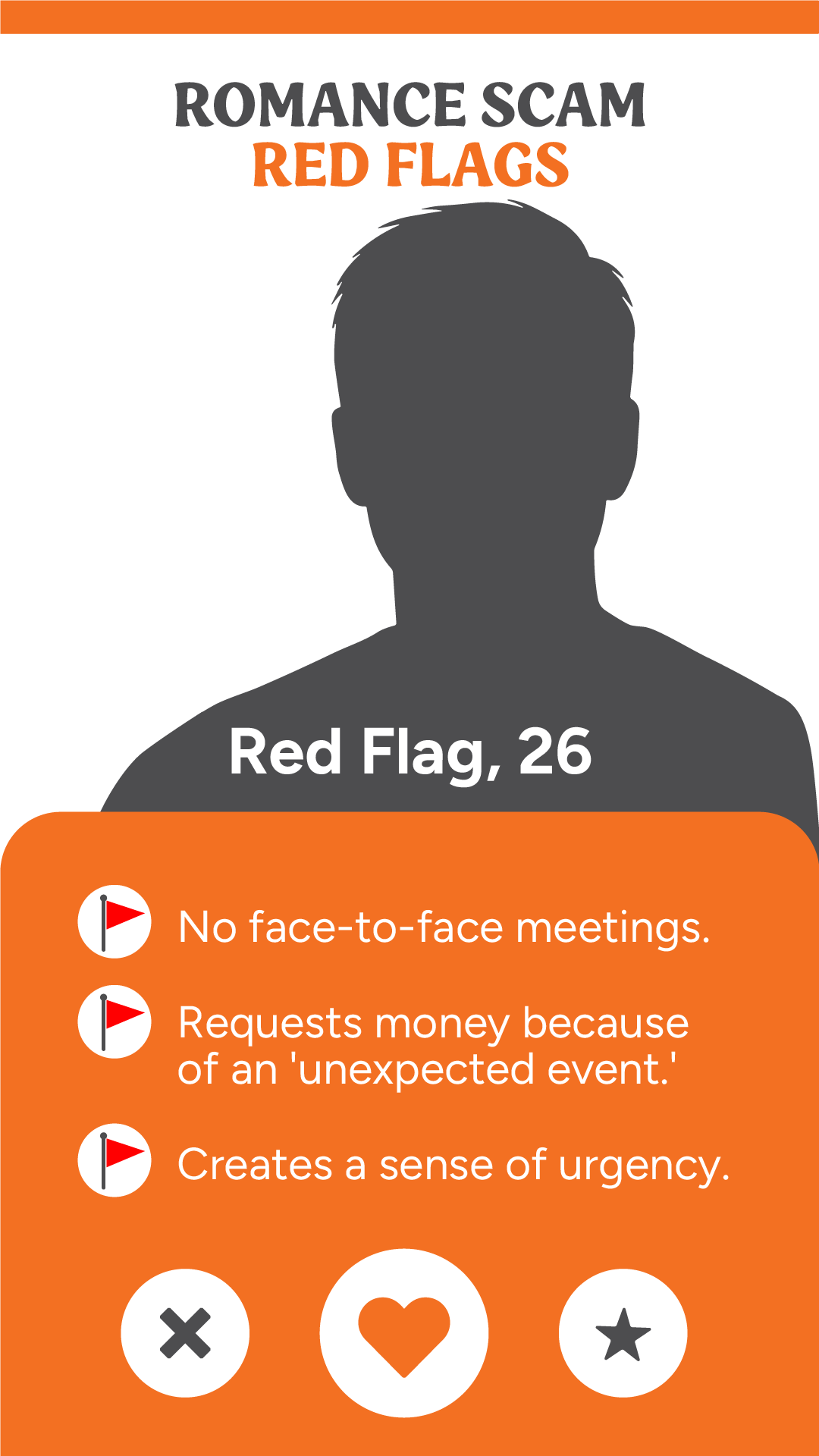
Relationship scams, often called romance scams, are one of the most emotionally devastating schemes scammers use.
They often begin on dating apps, social media or even through a random "wrong number" text message that turns into weeks or months of conversation.
Scammers use that time to earn your trust before asking for financial help.
Some common excuses include family emergencies, travel expenses or investment opportunities.
Victims believe they're helping someone they genuinely care about.
Types of Relationship Scams
Catfishing Scams
Catfishing involves creating a fake online identity.
Scammers may steal photos from real people or generate entirely fake images using AI.
Some criminals even impersonate celebrities, social media influencers or public figures.
After building credibility, they eventually ask followers for money or introduce fake investment opportunities.
Pig Butchering Scams
Pig butchering scams combine relationship building with investment fraud.
The scammer spends weeks or months earning a victim's trust before introducing a "can't miss" investment opportunity, usually involving cryptocurrency.
To the victim, everything appears legitimate:
- Professional-looking website
- Growing account balances
- Impressive investment returns
The profits, however, are fake.
When victims try to withdraw their money, they're told they must first pay taxes, processing fees or withdrawal charges.
After collecting those additional payments, the scammer disappears.
How to Protect Yourself From Scams
Technology will continue to evolve and scammers will continue adapting.
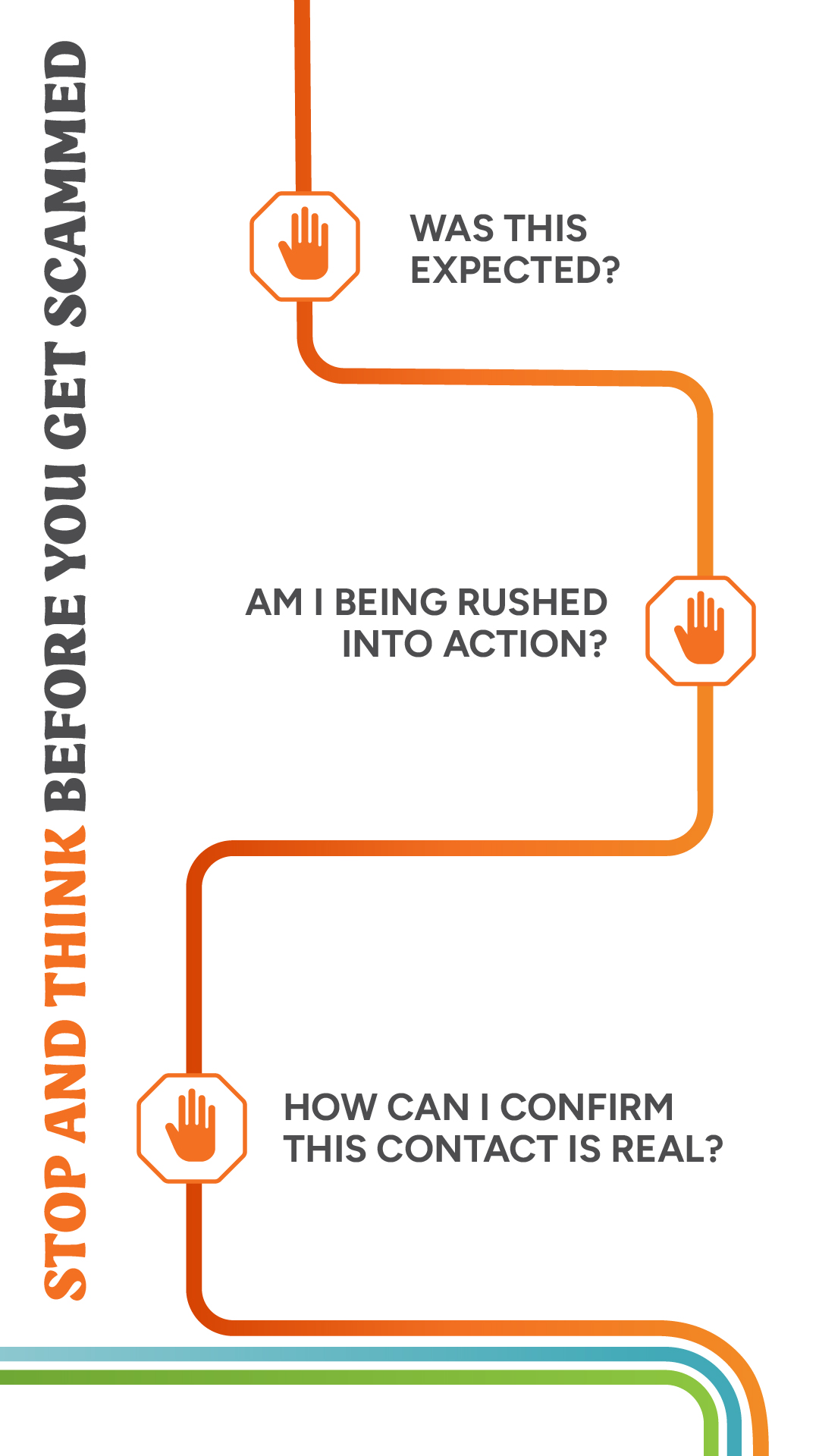
Before clicking a link, sending money or sharing personal information:
- Stop - Don't let urgency make decisions for you.
- Verify - Contact the organization directly using a trusted phone number or website.
- Question - Ask yourself:
- “Is this request unexpected?”
- “Am I being pressured?”
- “Why can't this wait?”
- Talk to Someone - If something feels off, discuss it with a trusted friend or family member before acting.
- Protect Your Personal Information - Be mindful of what you post publicly online. Photos, videos and voice recordings can all be used to create convincing AI scams.
Where to Go for Fraud Help
The more you understand how these scams work, the easier it becomes to recognize the warning signs and protect yourself, your loved ones and your hard-earned money.
To learn more about fraud prevention resources and what to do if you think you’ve been targeted, visit our Fraud Center.
Related Articles




-

Fixed Rate Mortgage
10 & Done (10 Year Fixed)7View Mortgage Loans% -
Vehicle Loans
New & Used Auto as Low as4.74View Vehicle Loans% APR -
Savings
Membership Share Savings Starting at0.05View Savings Accounts% APY -
Credit Cards
No Balance Transfer Fee. 6-Mo. Intro Balance Transfer2.99View Credit Cards% APR