Car Buying

Thinking Beyond the Test Drive

Buying a vehicle is one of the biggest financial decisions many people make, especially if it is your first time. Understanding the full cost of vehicle ownership can help prevent costly surprises and set you up for long-term success. A car is more than its sticker price. Monthly payments, insurance, maintenance, depreciation and future life changes all matter.

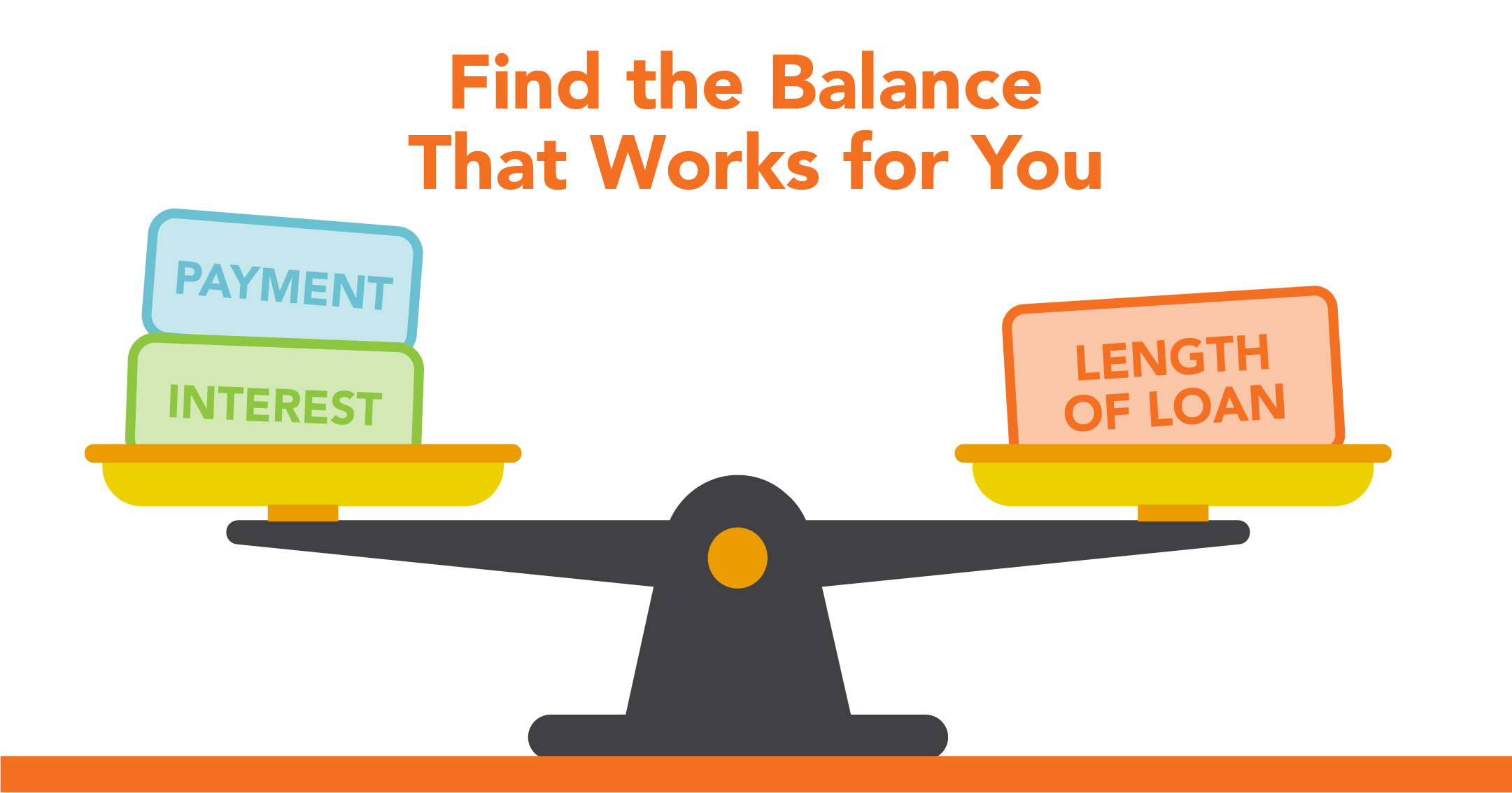
Before you start shopping, determine your budget and how long you want your payments to last.

If paying cash isn’t an option, getting pre-approved for a loan through your credit union is a smart first step. A pre-approval gives a clear picture of how much you may be able to borrow so you can shop with confidence and avoid shopping outside your price range. Down payment requirements vary by lender and depend on factors such as credit history, vehicle type, loan amount and LTV (loan-to-value). LTV compares the amount you’re borrowing to the vehicle’s actual market value. If the purchase price is higher than the value, you may need to make a larger down payment.  

Auto loans typically range from 60 to 72 months, though terms can be shorter or longer. Longer terms may lower your monthly payment but increase the total interest paid. A down payment can help reduce both your payment and overall interest costs.

Leasing is another option. Leasing often offers lower monthly payments but does not provide ownership or equity. Leases typically include mileage limits, customization restrictions, and upfront costs, while a loan allows you to build equity that can be used for a trade-in or future down payment.

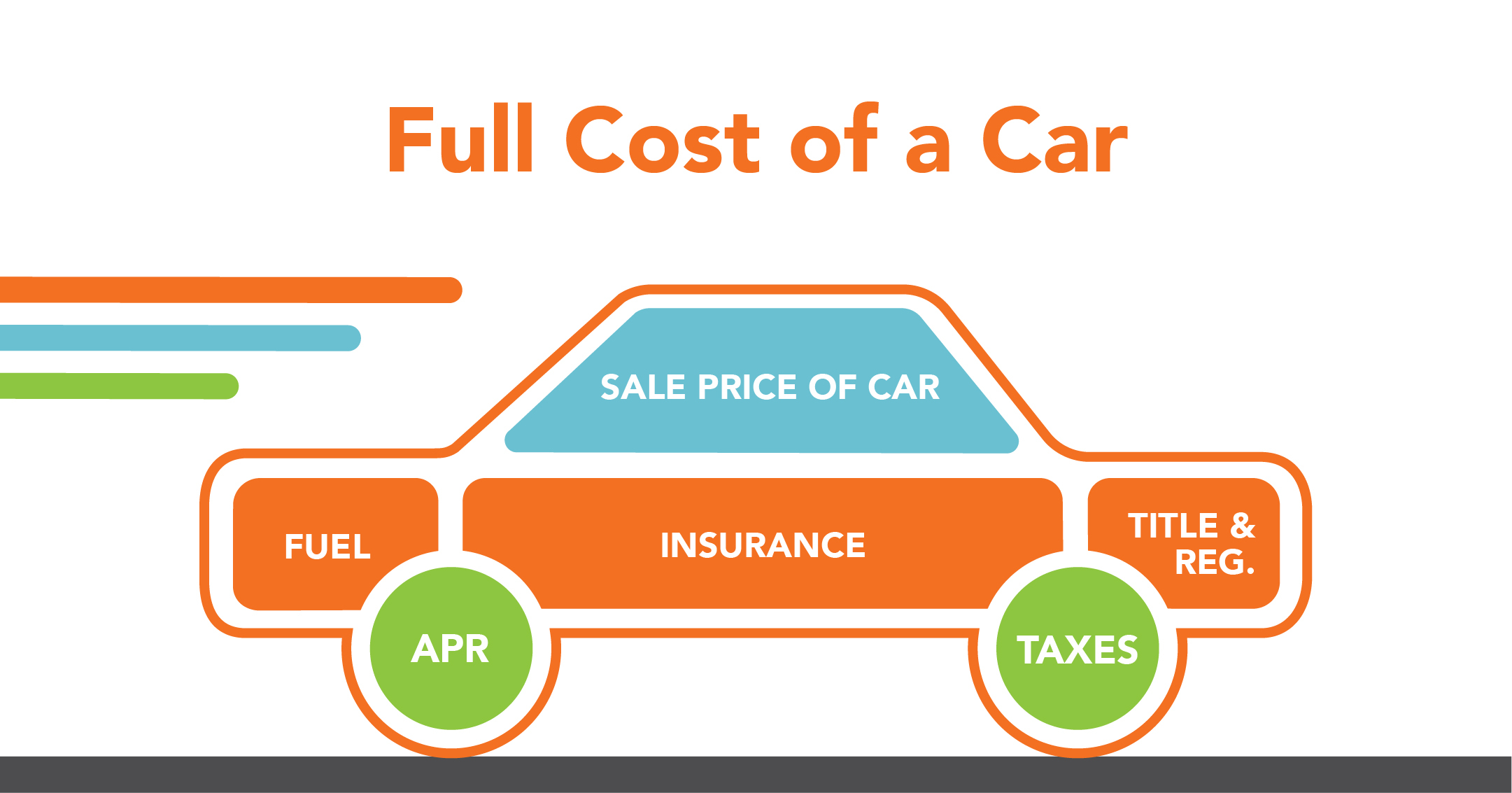
The loan payment is just one part of the picture. Be sure to account for additional costs such as the title, registration, taxes, and any additional options you may choose, such as a Route 66 Extended Warranty and other vehicle protections offered by Ascentra.  

In addition: 

  • Fuel expenses can also add up, especially if you have a longer commute. 
  • If you are financing or leasing, insurance is required, including premiums and deductibles. To fully understand the cost of ownership, it’s important to request insurance quotes before buying. 
  • Maintenance and repairs are a key part of vehicle ownership. Routine services like oil changes, tires, and batteries add up, and unexpected repairs can happen. Planning ahead helps reduce stress. 
  • Consider how your life might change in the next five years, is the vehicle you’re considering big enough to grow into? Will it tow the boat or camper you hope to buy someday? We ask this because depreciation matters: many cars lose significant value early, and if you re-sell too early, you may owe more than the vehicle is worth, which is why used vehicles may offer better value. 

Always go for a test drive, check for recalls, review vehicle history reports and watch for rebuilt or salvage titles. Taking time to research helps protect your investment.

Buying a vehicle is about more than transportation. It is about choosing something that fits your budget, lifestyle, and future. Ascentra Credit Union is here to guide you every step of the way so you can drive forward with confidence. 

Before you head to the dealership, learn more about Ascentra's vehicle loan options or talk with our team to learn how we can help you establish a budget and get you pre-approved, giving you the confidence to be the negotiator. 


Related Articles

See All Articles

Buying a Home: Tips to Know Before You Get the Keys
  • Jul 13, 2026

Mortgage grantsBuying a home comes with a lot of questions, but understanding the mortgage process can make each step feel more manageable. These quick tips will help explain key terms and valuable information all home buyers need to know.

Mortgage Experts: A mortgage makes homeownership possible for many buyers, and your Ascentra Mortgage Expert is there to guide you every step of the way. They can help you understand what you can realistically afford, compare loan options, and navigate the process from pre-approval to closing.

Pre-qualification vs. Pre-approval: Prequalification is a rough estimate based on basic information, while pre-approval is a more detailed review of your income and finances using official documents. Realtors often require pre-approval and Ascentra only offers pre-approvals.

Mortgage Options: Choosing the right mortgage plays a key role in long-term affordability. Fixed-Rate Mortgages remain the most common option, offering stable payments over 10, 15, or 30 years. Adjustable-Rate Mortgages (ARM) may offer lower initial rates for a set period, though payments can change later based on the economy.

Credit Score: While a score of 620 is preferred, approval is based on multiple factors, including stable, consistent income with no unexplained gaps or reductions. At Ascentra, qualified borrowers receive the best available rate on traditional fixed-rate mortgages, without rate increases tied solely to credit score.

Private Mortgage Insurance (PMI): If your down payment is less than 20% of the total home value, you’ll be required to pay for PMI. PMI protects the lender if the loan goes into foreclosure, not the borrower. In many cases, PMI can be removed once the borrower has built 20% equity in the home.

Down Payment Assistance & Grants: To help make homeownership more attainable, Ascentra offers a $15,000 First‑Time Home Buyers Grant for income‑qualified buyers through the Federal Home Loan Bank of Des Moines (while funds last). These grants can be used toward both down payment and closing costs, helping to reduce the upfront financial burden.

No matter where you are in the homebuying journey, having the right support can make all the difference. Learn more by contacting an Ascentra Mortgage Expert.



Ascentra Great Rates

View All Rates


What's New at Ascentra

See All Articles