Buying a Home: What to Know Before You Get the Keys
Buying a home is exciting. Most people picture the fun parts first: finding the perfect place, placing the couch, or watching a dog run around the backyard.
What’s often harder is figuring out how to make that dream a reality.
From understanding what you can afford to choosing the right mortgage and avoiding costly mistakes, the home buying process can feel overwhelming. The good news? With the right guidance, it doesn’t have to be.
Here’s a straightforward breakdown of what to expect, so you can feel confident and prepared as you unlock the door to homeownership.
Start With a Mortgage Expert (Mortgage Loan Officer)
For most buyers, a mortgage (or home loan) makes buying a house possible. A mortgage expert acts as your financial guide throughout the process and can help you:
- Understand how much home you can realistically afford
- Compare mortgage options
- Navigate the loan process, from pre-approval to closing
You’re not expected to know everything. That’s what your Ascentra Mortgage Expert is there for.
Shopping for the Right Home
Finding the right home can be challenging, but it’s important to be realistic. Make a list of must-haves, identify dealbreakers, and stay open to compromise. If you’re considering a fixer-upper, be honest with yourself about your skills, budget, and time.
Pre-qualification vs. Pre-approval
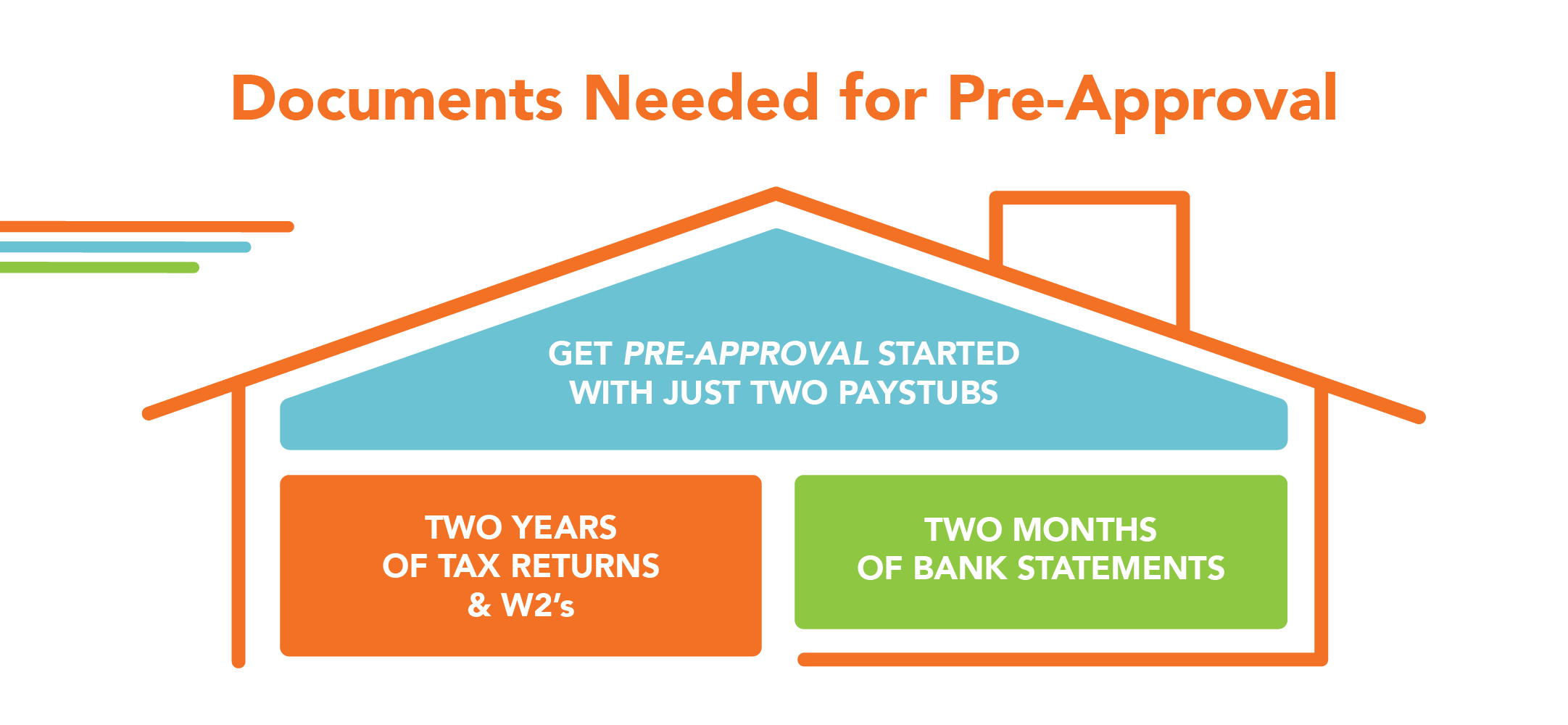
Pre-qualification is a rough estimate based on basic information. Pre-approval verifies your income and finances by reviewing official documents.
- Often required by realtors
- Show sellers you’re a serious buyer
Neither guarantees final loan approval; further verification happens after you make an offer. Ascentra only offers pre-approvals.
apply for PRE-APPROVal
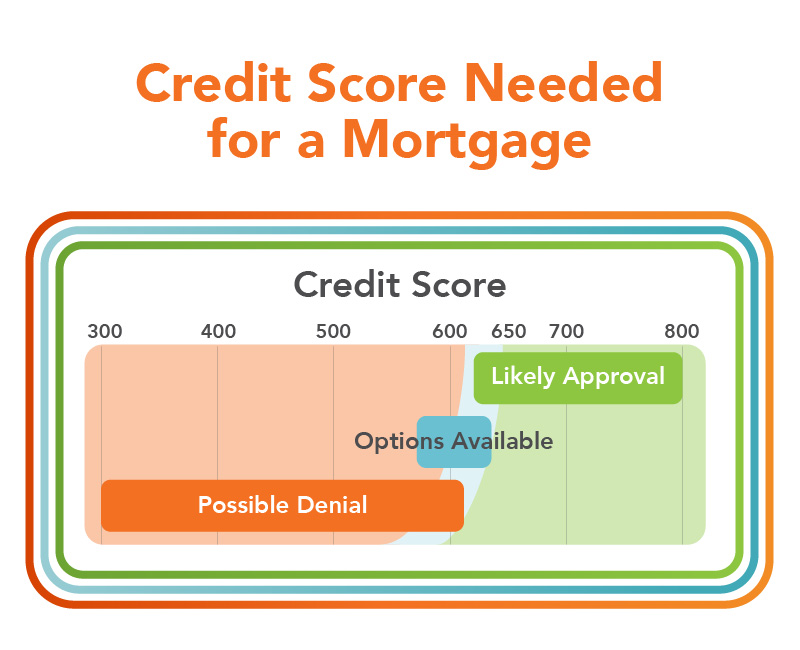
Lenders also consider a borrower’s credit score and employment history.
While a score of 620 is preferred, approval is based on multiple factors, including stable, consistent income with no unexplained gaps or reductions. At Ascentra, qualified borrowers receive the best available rate on traditional fixed-rate mortgages, without rate increases tied solely to credit score.
No matter where you are on your homebuying journey, Ascentra is here to help. Mortgage options may be available for borrowers with lower credit scores, and our financial coaches can help you build a stronger financial foundation for the future.
Common Mortgage Options
Choosing the right mortgage plays a key role in long-term affordability.
- Fixed-rate mortgages remain the most common option, offering stable payments over 10, 15, or 30 years.
- Adjustable-rate mortgages (ARM) may offer lower initial rates for a set period, though payments can change later based on the economy.
An ARM can be beneficial when interest rates are high and expected to drop, but payments may increase if rates rise.
Down Payment
One of the biggest hurdles for first‑time buyers is the upfront cost. Down payments typically range from 3 to 5% of a home’s purchase price, and buyers may also need to cover closing costs. For those struggling to save while managing rent, student loans, and daily expenses, those costs can feel out of reach.
Closing Costs
Closing costs are fees required to finalize the mortgage. They may include additional fees for appraisals, inspections, and title services, and attorney and loan processing fees. These typically add an additional 2 – 6% to the home’s purchase price.
Note: In some cases, buyers can negotiate for the seller to cover part or all of these costs during the offer process.
How Much Can You Afford?
A good starting point is running the numbers yourself. Use our calculator below to estimate your monthly payment, then connect with a mortgage expert for a full picture — including the insurance, property tax, and closing cost fees that make up your true total.
SEE WHAT YOU CAN AFFORD
What Is Private Mortgage Insurance (PMI)?
When configuring your loan and working with your mortgage expert, it’s important to know that if your down payment is less than 20% of the total home value, you’ll be required to pay for PMI.
PMI protects the lender if the loan goes into foreclosure, not the borrower. In many cases, PMI can be removed once the borrower has built 20% equity in the home, though some exceptions may apply.
Down Payment Assistance & Grants
If saving for a down payment feels challenging, assistance programs may help. Some cities, counties, and organizations offer grants for income‑eligible buyers and/or homes purchased in certain locations.
To help make homeownership more attainable, Ascentra offers a $15,000 First‑Time Home Buyers Grant for income‑qualified buyers through a partnership with the Federal Home Loan Bank of Des Moines. These grants are subject to funding availability and can be used toward both down payment and closing costs, helping to reduce the upfront financial burden.
Ongoing Costs of Homeownership
Now that you’ve found your house, worked through the loan options and understand the additional fees, it’s time to think about the ongoing costs of homeownership.
Homeowners Insurance
Home insurance helps protect you from fire, severe weather, theft or burglary, or other unexpected losses. These coverages and cost vary by provider, so research and plan according to your specific needs and wants.
Property Taxes
Property taxes are assessed by the county and depend on home location and property value and features.
Both insurance and property taxes can be paid separately or rolled into your monthly mortgage payment. Note: these costs often rise over time, which can increase your monthly payment.
Repairs and Emergencies
Homeownership also brings responsibility for repairs and maintenance. Plumbing issues, roof leaks and appliance breakdowns are no longer a landlord’s responsibility. Financial experts often recommend setting aside savings equal to about three months of mortgage payments to help cover unexpected repairs or rising costs.
A Critical Tip: Don’t Make Financial Changes
Once buyers apply for a mortgage, financial stability is critical. Opening new credit cards, making large purchases or moving significant amounts of money can put loan approval at risk.
ITIN Lending Option
Borrowers without a Social Security number may qualify for ITIN lending.
The IRS issues an Individual Taxpayer Identification Number (ITIN), which can be used to apply for a mortgage at participating banks or credit unions, including Ascentra.
From Offer to Closing
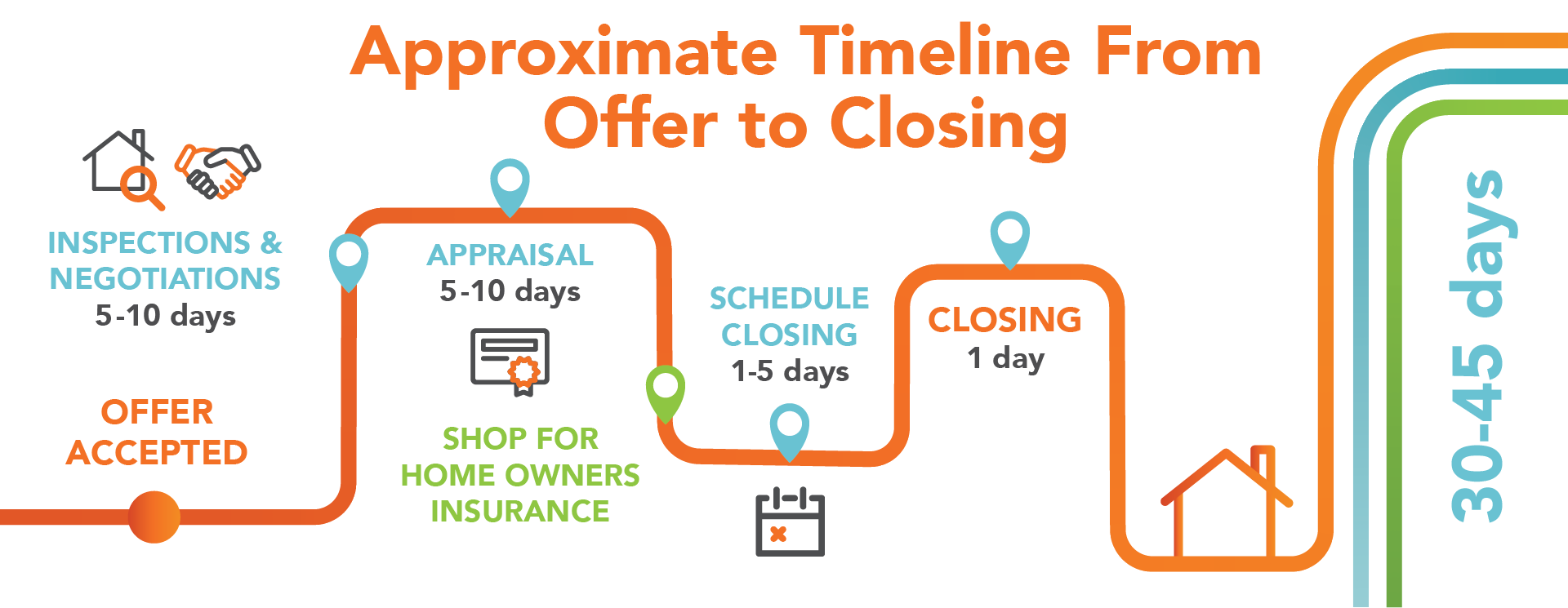
After your offer is accepted, your mortgage officer helps manage your appraisals, title work, and flood certifications.
During this time, you’ll shop for homeowner’s insurance and may continue negotiations with the sellers after the new house has been inspected.
From choosing your new home to its closing day, the process typically takes 30 to 45 days. At closing, final documents are signed, remaining payments are made and keys are transferred, usually within one to two hours.
Investing in Your Family's Future with 529 Plans
Planning for a child or grandchild’s education is one of the strongest ways families can help them get started financially. 529 college savings plans offer a tax advantaged way for parents, grandparents, and other family members to save for education expenses, and can be a cornerstone of long term financial planning.
A 529 plan is a state sponsored savings account designed to help families invest for future education costs. Your contributions grow tax deferred, and withdrawals used for qualified education expenses are tax free at the federal level. This includes tuition, fees, books, supplies, and depending on the plan, certain apprenticeship and K-12 expenses.
Iowa offers the ISave 529 Plan, a college savings plan where contributions grow tax free and can be used for qualified education expenses. Iowa residents may also enjoy a state income tax deduction for contributions. Learn more and open an account at isave529.com.
Illinois families can choose between two Illinois 529 College Savings plans. These plans also offer tax deferred growth and, for Illinois taxpayers, a state income tax deduction. Bright Start is known as one of the nation’s highly rated 529 plans. Find plan details and links at illinoistreasurer.gov/college-savings.
How families benefit:
- Tax advantages: Contributions may reduce your state taxable income in both Iowa and Illinois.
- Flexible use: Funds can pay for college, vocational schools, and other qualified programs.
- Family involvement: Parents and grandparents can contribute, creating a legacy of support.
- Control: The account owner retains control of funds and can change the beneficiary if plans change.
Getting started is simple, and every contribution, no matter the size, can make a meaningful difference over time. By taking advantage of the tax benefits and flexibility 529 plans offer, families can build a strong foundation for future education expenses while easing the financial burden down the road.