
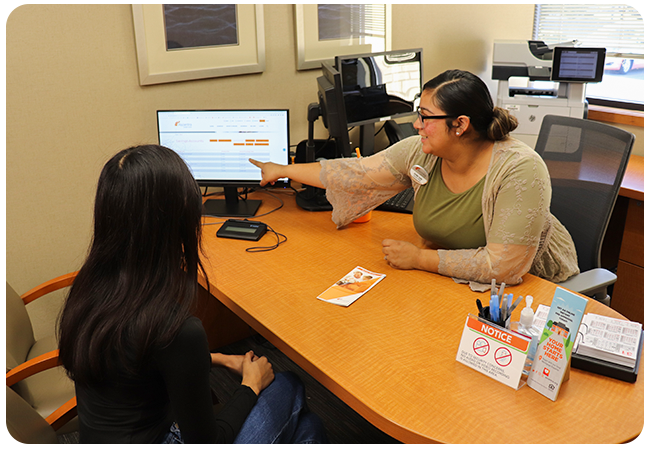
Fraud Center

Fraud Center


Ascentra Credit Union is committed to the safety of our members' information and accounts. This page provides you with the knowledge and resources to help protect your personal and financial information.

Fraudsters use many different communication methods to steal information or trick consumers into sharing their personal information. Read below to learn how to recognize, report and prevent fraud, common scams, identity theft and cybercrimes.

Whether you bank in person, online or on your mobile device, your personal data could be vulnerable to identity theft and other attacks. The resources here offer financial fraud prevention tips.


Lost or Stolen Cards

If your Visa® credit or debit card has been lost or stolen and it is during business hours, please call us at (563) 355-0152 or 1 (800) 426-5241.

If calling outside of regular business hours, please call card services at 1 (800) 472-3272 for Visa debit or 1 (855) 632-9037 for Visa credit.


Security Statement

Ascentra Credit Union recognizes the importance of protecting the privacy of personal information about our members and it is our goal to protect that information in every way we interact with you, whether it be in a branch, at one of our ATMs, on the telephone, or online through the Internet.

Ascentra Credit Union will NEVER ask you for your Personal Identification Information through any communication sent to you including your debit or credit card PIN, a Secure Access Code (SAC) or your user ID and password to Digital Banking. If this occurs, stop and contact the institution directly using contact information found on an official document to discuss the offer or request you received.

If you have any concerns, stop into one of our branch locations or contact a digital branch representative at 563-355-0152 or through online chat at ascentra.org.


Hot Fraud Alerts

Text Scam

Ascentra has detected fraudsters posing as us and sending texts that appear to be coming from the credit union. They are asking you to authorize a purchase by clicking on a link in the text to gain your Digital Banking credentials. Remember Ascentra will never call and ask you or send you a text and ask you to enter the following information: Digital Banking logins, Secure Access Codes (SAC), account numbers, credit or debit card numbers or PIN numbers. If you receive a text like this, delete it. If you want to verify if it is Ascentra, please call Ascentra directly, during business hours, to ensure you are speaking to an Ascentra Representative.

Phone Scam

Ascentra has detected fraudsters posing as us and making calls that appear to be coming from the credit union to gain information from our members. Please know that Ascentra Credit Union will never call and ask you for personal information such as Digital Banking logins, Secure Access Codes (SAC), account numbers, credit or debit card numbers or PIN numbers. If the caller is asking for this information, please hang up and call Ascentra directly to ensure you are speaking to an Ascentra Representative.

Common Scams and Frauds

  • Blackmail scams

    A blackmailer’s mission is to scare you into sending them money by threatening to distribute private content—from your computer or phone, or shared with them over an email, text, or social media—that could embarrass you. They might ask you to wire them money, or send it using a mobile app, a gift card, or cryptocurrency. Sometimes these scammers are complete strangers and other times they might be someone you met online and thought you could trust.

  • Romance scams

    A romance scam is when a new love interest tricks you into falling for them when they really just want your money. Romance scams start in a few different ways, usually online. Scammers may spend time getting to know you and developing trust to fool you into thinking the relationship is real before asking you for money, a loan, or access to your finances.

    For a deeper look at warning signs and prevention tips, read our full guide on romance scams.

    Full Guide on Romance Scams


  • Impostor scams

    Impostor scammers try to convince you to send money or share account details by pretending to be someone you know or trust, like a government employee. Some people, specifically older adults, have received phone or video calls from scammers using CFPB employees’ names.

    The CFPB does NOT get in touch with people to tell them to pay fees or taxes related to a class-action lawsuit or lottery. You won’t need to send us personal information so that you can cash a check we send you.

    Scammers might pose as law enforcement and threaten you with legal consequences if you don’t send money, or they may pretend to be a charity organization seeking donations. Other messages might look like they are coming from a bank or another company, claiming there’s been a hack, potentially fraudulent activity, or other problem, in a scam meant to get your account or personal information.

  • Money mule scams

    A money mule is someone who receives and moves fraudulently obtained money. While some money mules know they’re assisting with criminal activity, others are unaware that their actions are helping fraudsters.

    Money mules may be recruited through online job or social media posts that promise easy money for little effort. They may also agree to help a love interest who they’ve met online or over the phone, by sending or receiving money, as part of a romance scam.

  • Charity scams

    A charity scam is when a thief poses as a real charity or makes up the name of a charity that sounds real to get money from you.

    These scams often increase during the holiday season as well as after natural disasters and emergencies, such as storms, wildfires, or earthquakes. Be careful when a charity calls to ask for donations, especially ones that suggest they’re following up on a donation pledge you don’t remember making. Also watch for scammers that try to get you to donate by using live streaming on social media platforms, altered images, or images or voices generated by artificial intelligence (AI). They typically ask you to send money online, often using cryptocurrency, so they can get your money quickly.

  • Debt settlement and debt relief scams

    Debt settlement or debt relief companies often promise to renegotiate, settle, or in some way change the terms of a debt you owe to a creditor or debt collector. Dealing with debt settlement companies, though, can be risky and could leave you even further in debt.

  • Lottery or prize scams

    In a lottery or prize scam, the scammers may call, text, or email to tell you that you’ve won a prize through a lottery or sweepstakes and then ask you to pay an upfront payment for fees and taxes. In some cases, they may claim to be from a federal government agency like the CFPB.


  • Money transfer or mobile payment services fraud

    Con artists use money and wire transfers to steal people’s money. If someone you don’t know asks you to send money to them—even if they say they are from a government agency—it should be a red flag.

    Using mobile payment services only with family, friends, and others you know and trust is the safest way to protect your money as you use the services. You should still be cautious when people you do know ask you to send them money. Before you send money, verify that they are really the ones requesting it.

  • Debt collection scams

    Debt collectors might contact you to collect on legitimate debts you owe. But there are scammers who pose as debt collectors to get you to pay for debts you don't owe.

  • Grandparent scams

    If you get a call from someone who sounds like a grandchild or relative asking you to wire or transfer money or send gift cards to help them out of trouble, it could be a scam. Artificial intelligence has made it easier for scammers to clone voices and alter images to make it seem like someone you know needs help. Meant to play on your emotions, this scam is among those commonly used to target older adults, especially during the holidays.


  • Mail fraud

    Mail fraud letters look real but the promises are fake. A common warning sign is a letter asking you to send money or personal information now in order to receive something of value later. Examples of mail fraud might include notices of prizes, sweepstakes winnings, vacations, and other offers to claim valuable items.

  • Mortgage closing scams

    Mortgage closing scams target homebuyers who are nearing the closing date on their mortgage loan. The scammer attempts to steal your closing funds—for example, your down payment and closing costs—by sending you an email posing as your real estate agent or settlement agent (such as your title company, escrow officer, or attorney).


Latest Fraud Articles

Mobile Payment Apps: How to Avoid a Scam When You Use One

  • Jun 28, 2023

Mobile-Payment_500x300Mobile payment apps are a popular way to send and receive money with your smartphone. Unfortunately, scammers try to use them to steal your money. 

You may have heard of mobile payment apps like Venmo, Cash App, or PayPal that let you send and receive money through your smartphone by downloading the mobile app and creating an account. For this, you must choose a payment method, like a bank account, debit card, or credit card.

Once you’ve set up the account, you can send and receive money to others who have the same app. When money is sent to you, it’s added to your balance in the app. You can then leave the money there to use later or transfer it to your bank account.

Unfortunately, scammers can trick you into sending them money through a mobile payment app. That’s because they know once you do, it’s hard for you to get your money back. For example, scammers pretend to be a loved one who’s in trouble and ask you to send money. Others might say you won a prize or a sweepstakes but need your username and info to collect it.

Keep this advice in mind if you send money through a mobile payment app:

  • Don’t send a payment to claim a prize or collect sweepstakes winnings.
  • Don’t give your account credentials to anyone that contacts you.
  • Protect your account with multi-factor authentication or a PIN.
  • Before you submit any payment, double-check the recipient’s information to make sure you’re sending money to the right person.
  • If you get an unexpected request for money from someone you do recognize, speak with them to make sure the request really is from them — and not a hacker who got access to their account.
If you find unauthorized payments or think you paid a scammer, here’s how to report it to the mobile payment app.
  • Cash App recommends chatting with them by opening the app, tapping your profile, and choosing “Support”, through cash.app/help or by calling them at (800) 969-1940.
  • Venmo recommends chatting with them by opening the app, tapping your profile, and choosing “Get Help”, or by email through their contact form or by calling at (855) 812-4430.
  • PayPal recommends reporting it online through their resolution center or by calling at (888) 221-1161.
If you paid a scammer with a mobile payment app, report it to the Federal Trade Commission at ReportFraud.ftc.gov. When you report a scam, you help the FTC and other law enforcement agencies stop scams. Lastly, contact Ascentra at 563-355-0153 to inform us of any fraud activity on your accounts so that we can help you reduce account vulnerability moving forward.


Latest Fraud Videos


Fraud FAQs

Mobile Payment Apps: How to Avoid a Scam When You Use One

  • Jun 28, 2023

Mobile-Payment_500x300Mobile payment apps are a popular way to send and receive money with your smartphone. Unfortunately, scammers try to use them to steal your money. 

You may have heard of mobile payment apps like Venmo, Cash App, or PayPal that let you send and receive money through your smartphone by downloading the mobile app and creating an account. For this, you must choose a payment method, like a bank account, debit card, or credit card.

Once you’ve set up the account, you can send and receive money to others who have the same app. When money is sent to you, it’s added to your balance in the app. You can then leave the money there to use later or transfer it to your bank account.

Unfortunately, scammers can trick you into sending them money through a mobile payment app. That’s because they know once you do, it’s hard for you to get your money back. For example, scammers pretend to be a loved one who’s in trouble and ask you to send money. Others might say you won a prize or a sweepstakes but need your username and info to collect it.

Keep this advice in mind if you send money through a mobile payment app:

  • Don’t send a payment to claim a prize or collect sweepstakes winnings.
  • Don’t give your account credentials to anyone that contacts you.
  • Protect your account with multi-factor authentication or a PIN.
  • Before you submit any payment, double-check the recipient’s information to make sure you’re sending money to the right person.
  • If you get an unexpected request for money from someone you do recognize, speak with them to make sure the request really is from them — and not a hacker who got access to their account.
If you find unauthorized payments or think you paid a scammer, here’s how to report it to the mobile payment app.
  • Cash App recommends chatting with them by opening the app, tapping your profile, and choosing “Support”, through cash.app/help or by calling them at (800) 969-1940.
  • Venmo recommends chatting with them by opening the app, tapping your profile, and choosing “Get Help”, or by email through their contact form or by calling at (855) 812-4430.
  • PayPal recommends reporting it online through their resolution center or by calling at (888) 221-1161.
If you paid a scammer with a mobile payment app, report it to the Federal Trade Commission at ReportFraud.ftc.gov. When you report a scam, you help the FTC and other law enforcement agencies stop scams. Lastly, contact Ascentra at 563-355-0153 to inform us of any fraud activity on your accounts so that we can help you reduce account vulnerability moving forward.