


Predatory Lending

Spot Predatory Lending and Use Smart Alternatives

It is the first of the month, your bank account is nearly empty, and rent is due. Desperate, you turn to a payday lender for a quick loan until payday. But then your car breaks down, and suddenly you are borrowing again, digging deeper into debt. This scenario plays out for millions of Americans every year. The good news? You can avoid turning a tough situation into a financial disaster. 

How to recognize predatory financial services, understand how they operate and choose better solutions


Payday loans are a predatory pitfall

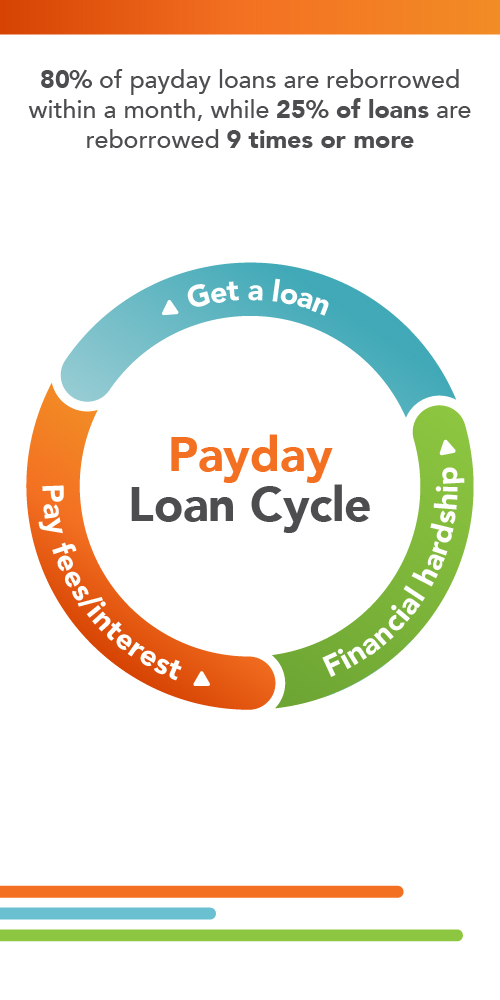
Payday loans, for example, are promoted as quick fixes, no credit checks, instant cash, but the reality is far harsher. With annual percentage rates (APRs) ranging from 300 to 800%, these short-term loans can quickly spiral out of control. According to the Consumer Financial Protection Bureau, over 80% of payday loans are reborrowed within a month, and one in four borrowers reborrow 9 or more times. Borrowers often end up paying more in fees than they initially borrowed.

Predatory lenders promise quick relief but keep borrowers trapped in cycles of debt

Payday lenders profit when customers are unable to repay their loans. They target people who may not have access to traditional financial institutions and often lure them in with additional services, such as check cashing, for hefty fees. Cashing a $1,000 paycheck could cost $50 or more each time, adding up to over $1,300 a year. By contrast, credit unions typically let members cash checks for free and offer the convenience of direct deposit.

Pawn shops are another predatory risk

Pawn shops offer quick loans against personal items like jewelry or electronics, but with high interest and short repayment windows, usually 30 to 90 days. If you cannot repay on time, they will either extend the loan for extra fees or sell your valuables. In a 2019 survey, 73% of pawn borrowers still owed money six months later.

Car title loans can leave you stranded

Car title loans are similar because they use your car as collateral. Title loan lenders rarely verify income or credit; they do not need to, because if you default, they take your car. Many own dealerships, meaning they profit from both your payments and the resale of your vehicle.

Rent-to-own stores may seem harmless but can be just as predatory

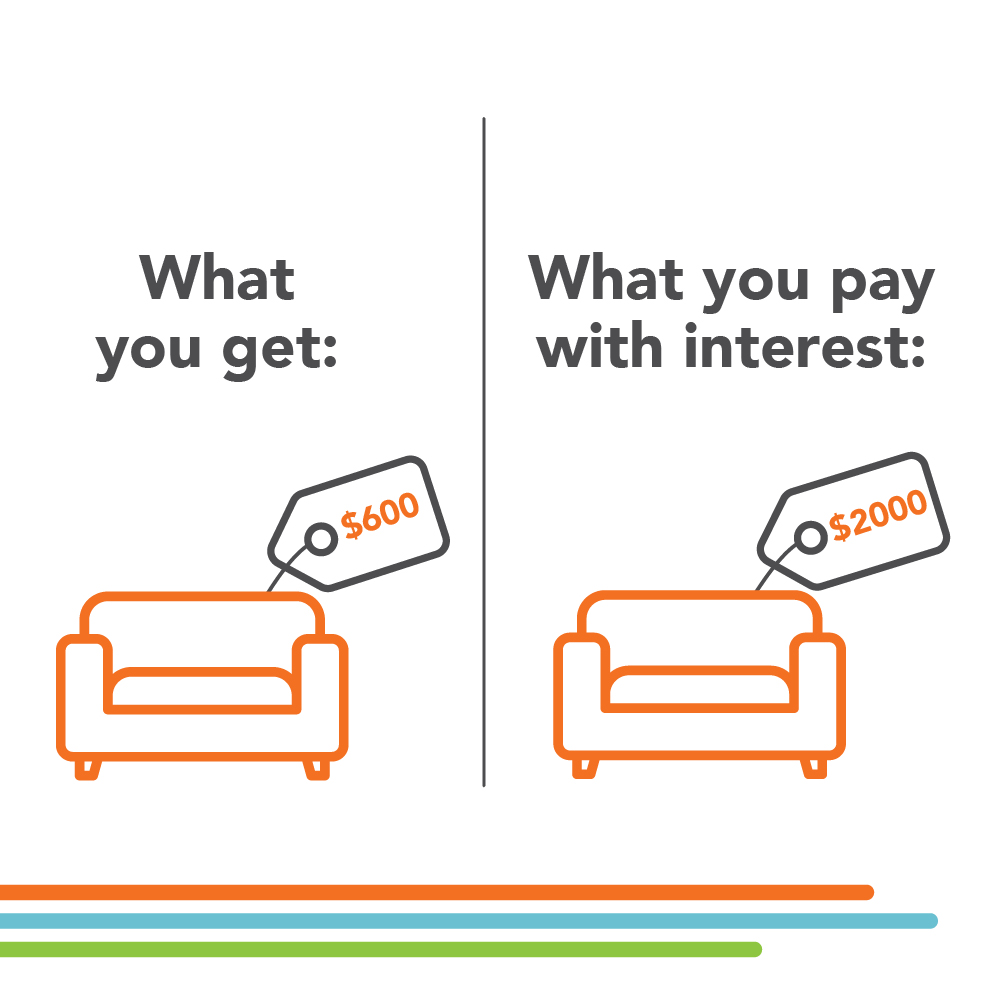
Paying $30 a week for a couch might sound affordable, until you realize that the same $600 couch could cost you $2,000 by the end of the contract. With effective APRs ranging from 43 to 468%, rent-to-own agreements charge far more than a traditional purchase or even a credit card.

Even housing can fall into the predatory trap

“Rent-to-own” or contract mortgages often target people who cannot qualify for traditional loans. These deals typically include high interest rates, balloon payments and strict terms. Miss a payment or break a rule, and you lose both the home and every dollar you have invested.


If you need emergency cash, a personal loan from a credit union is a far safer choice. You will get better rates, longer repayment periods and transparent terms. Credit unions, like Ascentra, even offer loans, such as “CashNOW” of up to $2,000 without a credit check. These loans are reported to credit bureaus, helping you build credit as you repay.

A credit union offers fair loans, financial coaching and long-term solutions to help you build stability and wealth. When money is tight, it is tempting to use the first lifeline offered, but not all lifelines lead to safety. Many are anchors that pull you deeper into debt. With the right financial partner and a solid plan, you can stay afloat, regain control and steer toward the financial future you deserve.


Related Articles

See All Articles

Protecting Yourself from Scams and Spam

  • Jun 5, 2024

There’s nothing quite like receiving multiple spam emails, calls and texts each day. Cisco Systems, Inc. estimates that over 320 billion spam messages are sent every day.

Spam is, at the very least, an annoyance. At its worst, it can be a scam tactic or digital attack. Learning how to tell what spam is and what is a safe message can be a helpful tool to increase your cyber-safety and protect your information.

Learn How to Spot Spam

There are many ways to determine if an email, phone call or text is spam. Here are a few common ones to help you sort through your inbox.

  • Check to see if the sender or caller is legitimate and recognizable by reviewing the email address or area code.
  • Review the contents of the email or text for an abundance of misspellings and grammar errors or links that do not seem safe.
  • Determine if they are making an urgent request for Personal Identification Information (PII), such as your social security number, driver’s license number, taxpayer identification number, patient identification number, financial account numbers or credit card number.

Reducing the Amount of Spam You Receive

There is no surefire way to reduce the amount of spam you receive to zero. Instead, increase your awareness of spam tactics and take steps to make it harder for spammers to get to you.

  • Keep your PII close. Giving out your email and phone number frequently increases the likelihood of receiving spam messages.
  • Don’t open messages that appear to be spam. Delete and report these messages.
  • Don’t respond to spam. Responding to spam teaches your system that the message isn’t spam and that you want to receive more of it.

There are many more ways to tell if an incoming email, phone call or text is spam. The best way to prevent yourself from being spammed or scammed is to be aware!

Common Types of Scams

Scams are a dangerous type of spam message that specifically seek to harm you, often by stealing your money or PII.

  • Charity Scams: A thief poses as a real or fake charity and asks for donations.
  • Loved One Scams: A family member calls you out of the blue to ask for a wire transfer or gift card due to an emergency or bad situation.
  • Friendship Scams: A new person enters your life and builds a friendship with you, only to ask for money (once, or even repeatedly).
  • Mail Scams: A piece of mail arrives asking you to reply with money or PII in exchange for something.

Don’t fret - not every instance of contact from a charity, loved one, friend or mail item is a scam! In fact, most aren’t. But it’s important to be skeptical and take precautions when a request comes that you aren’t expecting and seems out of the norm.

Ascentra’s Promise

Ascentra Credit Union recognizes the importance of protecting the privacy and PII of our members and it is our goal to protect that information in every way we interact with you, whether it be in a branch, at one of our ATMs, on the telephone or online through the Internet.

It's important to know that Ascentra, or any other bank, financial institution, or tax authority should not ask you for PII through any type of communication. This includes asking for your debit or credit card PIN, a Secure Access Code (SAC) or your user ID and password to Digital Banking. If this occurs, call or stop into any of our branches or reach out to our Compliance and Fraud department by calling (563) 355-0152.

Ascentra encourages you to continue to do research about preventing spam and protecting yourself from scams. After all – you are your own best defense! 


Ascentra Great Rates

View All Rates


What's New at Ascentra

See All Articles

Protecting Yourself from Scams and Spam

  • Jun 5, 2024

There’s nothing quite like receiving multiple spam emails, calls and texts each day. Cisco Systems, Inc. estimates that over 320 billion spam messages are sent every day.

Spam is, at the very least, an annoyance. At its worst, it can be a scam tactic or digital attack. Learning how to tell what spam is and what is a safe message can be a helpful tool to increase your cyber-safety and protect your information.

Learn How to Spot Spam

There are many ways to determine if an email, phone call or text is spam. Here are a few common ones to help you sort through your inbox.

  • Check to see if the sender or caller is legitimate and recognizable by reviewing the email address or area code.
  • Review the contents of the email or text for an abundance of misspellings and grammar errors or links that do not seem safe.
  • Determine if they are making an urgent request for Personal Identification Information (PII), such as your social security number, driver’s license number, taxpayer identification number, patient identification number, financial account numbers or credit card number.

Reducing the Amount of Spam You Receive

There is no surefire way to reduce the amount of spam you receive to zero. Instead, increase your awareness of spam tactics and take steps to make it harder for spammers to get to you.

  • Keep your PII close. Giving out your email and phone number frequently increases the likelihood of receiving spam messages.
  • Don’t open messages that appear to be spam. Delete and report these messages.
  • Don’t respond to spam. Responding to spam teaches your system that the message isn’t spam and that you want to receive more of it.

There are many more ways to tell if an incoming email, phone call or text is spam. The best way to prevent yourself from being spammed or scammed is to be aware!

Common Types of Scams

Scams are a dangerous type of spam message that specifically seek to harm you, often by stealing your money or PII.

  • Charity Scams: A thief poses as a real or fake charity and asks for donations.
  • Loved One Scams: A family member calls you out of the blue to ask for a wire transfer or gift card due to an emergency or bad situation.
  • Friendship Scams: A new person enters your life and builds a friendship with you, only to ask for money (once, or even repeatedly).
  • Mail Scams: A piece of mail arrives asking you to reply with money or PII in exchange for something.

Don’t fret - not every instance of contact from a charity, loved one, friend or mail item is a scam! In fact, most aren’t. But it’s important to be skeptical and take precautions when a request comes that you aren’t expecting and seems out of the norm.

Ascentra’s Promise

Ascentra Credit Union recognizes the importance of protecting the privacy and PII of our members and it is our goal to protect that information in every way we interact with you, whether it be in a branch, at one of our ATMs, on the telephone or online through the Internet.

It's important to know that Ascentra, or any other bank, financial institution, or tax authority should not ask you for PII through any type of communication. This includes asking for your debit or credit card PIN, a Secure Access Code (SAC) or your user ID and password to Digital Banking. If this occurs, call or stop into any of our branches or reach out to our Compliance and Fraud department by calling (563) 355-0152.

Ascentra encourages you to continue to do research about preventing spam and protecting yourself from scams. After all – you are your own best defense!