
Centro de Fraudes

Centro de Fraudes


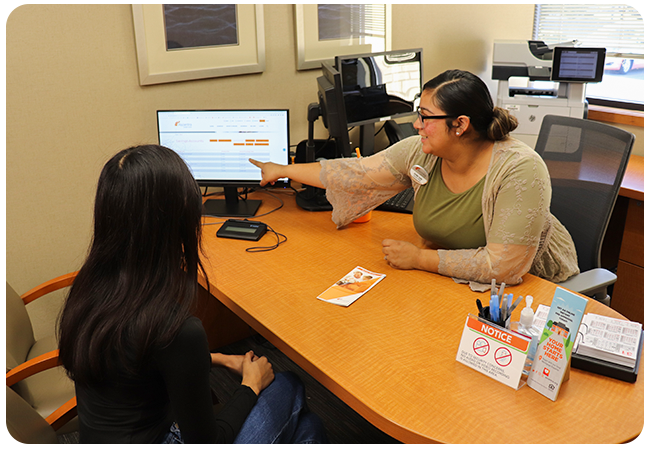
En Ascentra Credit Union, estamos comprometidos con la seguridad de la información y cuentas de nuestros miembros. Esta página le proporciona conocimientos y recursos para ayudarle a proteger su información personal y financiera.

Los estafadores utilizan diversos métodos de comunicación para robar información o engañar a los consumidores para que compartan su información personal. Lea a continuación para aprender cómo reconocer, denunciar y prevenir fraudes, estafas comunes, robo de identidad y delitos cibernéticos.

Ya sea que realice sus operaciones bancarias en persona, en línea o desde su dispositivo móvil, sus datos personales pueden ser vulnerables al robo de identidad y otros ataques. Los recursos disponibles aquí ofrecen consejos de prevención de fraude financiero.


Tarjetas Perdidas o Robadas

Si su tarjeta Visa® de crédito o débito ha sido extraviada o robada, por favor llámenos durante el horario laboral al (563) 355-0152 o al 1 (800) 426-5241.

Si llama fuera del horario laboral, comuníquese con los servicios de tarjetas al 1 (800) 472-3272 para tarjetas Visa de débito o al 1 (855) 632-9037 para tarjetas Visa de crédito.


Declaración de Seguridad

Ascentra Credit Union reconoce la importancia de proteger la privacidad de la información personal de nuestros miembros y nuestro objetivo es proteger dicha información en cada forma en que interactuamos con usted, ya sea en una sucursal, en uno de nuestros cajeros automáticos, por teléfono o en línea a través de Internet.

Ascentra Credit Union NUNCA le solicitará su Información Personal de Identificación a través de ningún medio de comunicación, incluyendo el PIN de su tarjeta de débito o crédito, un Código de Acceso Seguro (SAC), su usuario o contraseña de la Banca Digital. Si esto ocurre, deténgase y contacte directamente a la institución utilizando la información de contacto que se encuentra en un documento oficial para discutir la oferta o solicitud que ha recibido.

Si tiene alguna preocupación, visite una de nuestras sucursales o comuníquese con un representante de la sucursal digital al 563-355-0152 o mediante el chat en línea en ascentra.org.


Alertas de Fraude Urgentes

Estafa por Mensaje de Texto

Ascentra ha detectado estafadores que se hacen pasar por nosotros y envían mensajes de texto que parecen provenir de la cooperativa de crédito. Solicitan autorizar una compra mediante un enlace, o link, en el mensaje con el fin de obtener sus credenciales de Banca Digital. Recuerde que Ascentra nunca le llamará ni le enviará un mensaje de texto solicitando: credenciales de Banca Digital, Códigos de Acceso Seguro (SAC), números de cuenta, tarjetas de crédito o débito ni números PIN. Si recibe un mensaje así, elimínelo. Si desea verificar su autenticidad, llame directamente a Ascentra durante el horario laboral.

Estafa Telefónica

Ascentra ha detectado estafadores que se hacen pasar por nosotros y realizan llamadas telefónicas que aparentan provenir de la cooperativa de crédito para obtener información de nuestros miembros. Tenga en cuenta que Ascentra Credit Union nunca le llamará para solicitar información personal como credenciales de Banca Digital, Códigos de Acceso Seguro (SAC), números de cuenta, números de tarjetas de crédito o débito ni números PIN. Si el interlocutor le solicita esta información, cuelgue y llame directamente a Ascentra para asegurarse de estar hablando con un representante oficial.

Estafas y Fraudes Comunes

  • Estafas de Chantaje

    El objetivo de un chantajista es asustarlo para que le envíe dinero bajo amenaza de divulgar contenido privado de su computadora, teléfono o compartido con ellos mediante correo electrónico, mensaje de texto o redes sociales. Podrían pedirle que envíe dinero por transferencia, aplicación móvil, tarjeta de regalo o criptomoneda. En ocasiones, estos estafadores son completos extraños y, en otras, pueden ser personas que usted conoció en línea y en quienes creyó que podía confiar.

  • Estafas Amorosas

    Una estafa amorosa ocurre cuando una nueva pareja sentimental lo engaña para obtener su dinero. Estas estafas usualmente comienzan en línea. Los estafadores invierten tiempo en ganarse su confianza para hacerle creer que la relación es real antes de pedirle dinero, un préstamo o acceso a sus finanzas.

  • Estafas de impostores

    Los estafadores que actúan como impostores intentan persuadirle para que envíe dinero o comparta información de su cuenta, haciéndose pasar por personas conocidas o de confianza, como empleados gubernamentales. Algunas personas, en particular adultos de la tercera edad, han recibido llamadas telefónicas o videollamadas de individuos que utilizan los nombres de empleados de la Oficina para la Protección Financiera del Consumidor (CFPB).

    La CFPB NO se comunica con las personas para solicitar el pago de tarifas o impuestos relacionados con demandas colectivas o loterías. Asimismo, no requerimos que nos proporcione información personal para poder cobrar un cheque que le hayamos enviado.

    Los estafadores pueden hacerse pasar por autoridades y amenazar con consecuencias legales si no se realiza un pago, o bien, pueden fingir representar a organizaciones benéficas que solicitan donaciones. Otros mensajes fraudulentos pueden parecer provenientes de bancos u otras entidades, alegando la existencia de hackeos, actividades fraudulentas u otros problemas, con el fin de obtener información personal o detalles de su cuenta.

  • Estafas de Mulas de Dinero

    Una "mula de dinero" es alguien que recibe y transfiere dinero obtenido fraudulentamente. Algunas personas colaboran sin saber que están ayudando a criminales.

    Pueden ser reclutadas mediante anuncios de trabajo en línea o redes sociales que prometen dinero fácil. Otras son engañadas por una supuesta pareja amorosa que les pide mover dinero como parte de una estafa romántica.

  • Estafas de Caridad

    Una estafa de organizaciones benéficas ocurre cuando un ladrón se hace pasar por una organización benéfica legítima o inventa el nombre de una entidad que suena auténtica para obtener dinero de usted.

    Estas estafas suelen aumentar durante la temporada navideña, así como después de desastres naturales y emergencias, tales como tormentas, incendios forestales o terremotos. Debe tener precaución cuando una organización benéfica le contacte para solicitar donaciones, especialmente si sugieren que están haciendo seguimiento a una promesa de donación que usted no recuerda haber realizado. Asimismo, esté atento a estafadores que intenten persuadirlo para donar mediante transmisiones en vivo en redes sociales, imágenes alteradas o imágenes y voces generadas por inteligencia artificial (IA). Normalmente, le solicitarán que envíe dinero en línea, frecuentemente utilizando criptomonedas, para obtener sus fondos con rapidez.
  • Estafas de Liquidación de Deudas

    Las empresas de alivio de deudas prometen renegociar o cambiar términos de deudas, pero pueden ser riesgosas y dejarlo con más deuda. Tenga mucho cuidado al tratar con estas compañías.

  • Estafas de Loterías o Premios

    En una estafa relacionada con loterías o premios, los estafadores pueden llamarle, enviarle un mensaje de texto o un correo electrónico para informarle que ha ganado un premio a través de una lotería o sorteo, y luego solicitarle un pago anticipado para cubrir supuestas tarifas e impuestos. En algunos casos, pueden afirmar que representan a una agencia del gobierno federal, como la CFPB.

  • Fraude en Servicios de Pago o Transferencia Móvil

    Los estafadores utilizan transferencias de dinero y otros métodos similares para apropiarse del dinero de las personas. Si alguien que no conoce le pide que le envíe dinero  incluso si afirma pertenecer a una agencia gubernamental, esto debe ser una señal de alerta.

     La forma más segura de proteger su dinero al utilizar servicios de pago móvil es usarlos únicamente con familiares, amigos u otras personas que conozca y en quienes confíe. Aun así, debe actuar con precaución incluso cuando personas conocidas le soliciten dinero.

  • Estafas de Cobro de Deudas

    Algunos estafadores fingen ser cobradores para hacerle pagar deudas inexistentes. Verifique siempre la legitimidad del cobrador.

  • Estafas del Nieto

    Si recibe una llamada de alguien que suena como un nieto o familiar y le pide que envíe dinero mediante transferencia, giro bancario o tarjetas de regalo para sacarlo de un supuesto problema, podría tratarse de una estafa. El uso de inteligencia artificial ha facilitado a los estafadores clonar voces y manipular imágenes, haciendo que parezca que alguien cercano realmente necesita ayuda. Este tipo de fraude apela a las emociones y es una de las estafas más utilizadas para engañar a adultos mayores, especialmente durante la temporada navideña.

  • Fraude por Correo Postal

    Las cartas utilizadas en fraudes por correo suelen parecer auténticas, pero las promesas que contienen son falsas. Una señal de advertencia común es que le pidan enviar dinero o información personal de inmediato para recibir, supuestamente, algo de valor más adelante.

    Ejemplos de fraude por correo pueden incluir notificaciones sobre premios, sorteos ganados, vacaciones u otras ofertas para reclamar artículos valiosos.

  • Estafas en el Cierre de Hipotecas

    Las estafas en cierres hipotecarios están dirigidas a compradores de vivienda que se encuentran cerca de la fecha de cierre de su préstamo hipotecario. El estafador intenta robar los fondos destinados al cierre. Por ejemplo, el pago inicial y los costos de cierre, enviándole un correo electrónico en el que se hace pasar por su agente de bienes y raíces o por el agente de cierre (como la compañía de títulos, el oficial de depósito en garantía o su abogado).

Artículos Recientes sobre Fraude

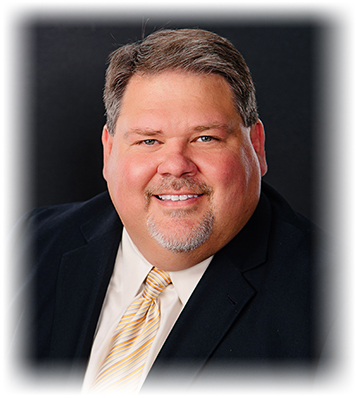
QCCT Renames Fundraising Project after Ascentra’s Late President & CEO, Dale Owen
  • mar. 15, 2021
QCCT Renames Fundraising DaleTen months prior to his passing in Nov. 2020, Dale was named one of three board chairs of the Quad City Cultural Trust, a private arts and culture supporter in the region.  At that time, he started working on a program to raise $250,000 to support art and culture programs in the Quad Cities. His plan was to leverage his connections in the Quad City financial industry to raise money.

In June 2020, he was diagnosed with stage 4 pancreatic cancer, and although his diagnosis was life changing, it didn’t stop him from completing his plan to raise these funds.  To accomplish this, he reached out to 11 local lending and banking institutions for support, including Ascentra Credit Union. He exceeded his goal by generating $500,000. The fund will match every $1 given up to $500,000 to support art and culture programs in the Quad Cities through QCCT.

“Knowing Dale’s passion for his community, it doesn’t surprise me that he continued to support this effort throughout his fight with cancer,” said Linda Andry, Interim President & CEO, Ascentra Credit Union. “He was always focused on others and making a difference. It’s just who he was.”

A Rock Island Native and Augustana College alum, Dale became tri-chair in Jan. 2020 when outgoing tri-chair, John Anderson, CEO at Quad City Bank & Trust, was leaving the board.  During this time Dale developed a plan to bring his competitors together to invest in the future of art and culture in the region.  This lead to the “Culture Matters Here Community Banking Project.”  His thought behind it was if the banking and lending sector could come together in the same way they did for COVID-19 relief, then they could strengthen the local economy by reviving one of the biggest economic drivers: art and culture. 

Five months later, upon learning of his diagnosis, Dale sent the following letter to his fellow tri-chairs:

“When I accepted the position as Tri-Chair for QCCT, I was excited to meet with you in person and tell you all the reasons I was thrilled to take on this role. I was going to tell you about my personal passion for art and culture and the incredible economic driver it is in our community.

“I was going to share with you the personal outlet it is for so many students in Scott and Rock Island County. I was going to tell you that the mission and vision of the Quad Cities Cultural Trust align so well with our belief system at Ascentra.

“I cannot in good conscience forfeit the impact I know we can still have if we come together. It would bring me such excitement to know that although my world has changed, that I was still able to take this project to the finish line with your help,” he wrote.

While Dale focused on his health, John Anderson returned as tri-chair to continue the plan that Dale had laid out and met with other community credit unions and banks to share Dale’s vision. By the fall of 2020, he had commitments from multiple financials including Ascentra Credit Union, Deere Employees Credit Union, DuTrac Community Credit Union, The Family Credit Union, Green State Credit Union, IH Mississippi Valley Credit Union, Quad City Bank & Trust, R.I.A Federal Credit Union, US Bank, Vibrant Credit Union and Wells Fargo.

Other QC credit unions and banks will be invited to donate in the future as well as residents of the community. There is no deadline for matching gifts to be made.

“Dale served in many aspects of the community and his reach was far and wide,” said Andry. “He was always ready to provide assistance or make valued connections so our communities could continue to thrive. He encouraged all of us to be of service to others, get involved, and to pay it forward.”

Dale joined Ascentra in 1999 as Vice President of Lending. From that point on, he was a fierce advocate of the credit union movement and improving the financial lives of others. Over the years, he fought against pay day lending businesses, participated in mortgage advisory committees, and served on the boards of Quad City DollarWise and Davenport Neighborhood Housing Service.  Dale’s service gave excellent insight to these efforts and organizations, ultimately protecting the consumer and providing resources to those in need. 

In 2013, Dale became President and CEO following the sudden passing of former President and CEO, Paul Lensmeyer. Dale and Paul both had a passion for community, and in particular, ensuring that our organization, Ascentra Credit Union, was a viable part it. 

Dale served with the Quad City Chamber Regional Opportunity Council, was a founding member of the Downtown Bettendorf Organization, and participated in the Bettendorf Business Network as well as the Bettendorf Development Corporation. He was a community volunteer, spreading his time and talents across many organizations, such as United Way of the Quad Cities, Boys & Girls Club, Junior Achievement, Children’s Miracle Network, Habitat for Humanity, Augustana Alumni, and Bethany for Children and Families. His reach even spread across Iowa, serving on boards with the Iowa Credit Union Foundation, Community Business Lenders Service Company, LLC, Affiliates Management Company, and the Iowa Credit Union League.


Latest Fraud Videos


Fraud FAQs

QCCT Renames Fundraising Project after Ascentra’s Late President & CEO, Dale Owen

  • mar. 15, 2021
QCCT Renames Fundraising DaleTen months prior to his passing in Nov. 2020, Dale was named one of three board chairs of the Quad City Cultural Trust, a private arts and culture supporter in the region.  At that time, he started working on a program to raise $250,000 to support art and culture programs in the Quad Cities. His plan was to leverage his connections in the Quad City financial industry to raise money.

In June 2020, he was diagnosed with stage 4 pancreatic cancer, and although his diagnosis was life changing, it didn’t stop him from completing his plan to raise these funds.  To accomplish this, he reached out to 11 local lending and banking institutions for support, including Ascentra Credit Union. He exceeded his goal by generating $500,000. The fund will match every $1 given up to $500,000 to support art and culture programs in the Quad Cities through QCCT.

“Knowing Dale’s passion for his community, it doesn’t surprise me that he continued to support this effort throughout his fight with cancer,” said Linda Andry, Interim President & CEO, Ascentra Credit Union. “He was always focused on others and making a difference. It’s just who he was.”

A Rock Island Native and Augustana College alum, Dale became tri-chair in Jan. 2020 when outgoing tri-chair, John Anderson, CEO at Quad City Bank & Trust, was leaving the board.  During this time Dale developed a plan to bring his competitors together to invest in the future of art and culture in the region.  This lead to the “Culture Matters Here Community Banking Project.”  His thought behind it was if the banking and lending sector could come together in the same way they did for COVID-19 relief, then they could strengthen the local economy by reviving one of the biggest economic drivers: art and culture. 

Five months later, upon learning of his diagnosis, Dale sent the following letter to his fellow tri-chairs:

“When I accepted the position as Tri-Chair for QCCT, I was excited to meet with you in person and tell you all the reasons I was thrilled to take on this role. I was going to tell you about my personal passion for art and culture and the incredible economic driver it is in our community.

“I was going to share with you the personal outlet it is for so many students in Scott and Rock Island County. I was going to tell you that the mission and vision of the Quad Cities Cultural Trust align so well with our belief system at Ascentra.

“I cannot in good conscience forfeit the impact I know we can still have if we come together. It would bring me such excitement to know that although my world has changed, that I was still able to take this project to the finish line with your help,” he wrote.

While Dale focused on his health, John Anderson returned as tri-chair to continue the plan that Dale had laid out and met with other community credit unions and banks to share Dale’s vision. By the fall of 2020, he had commitments from multiple financials including Ascentra Credit Union, Deere Employees Credit Union, DuTrac Community Credit Union, The Family Credit Union, Green State Credit Union, IH Mississippi Valley Credit Union, Quad City Bank & Trust, R.I.A Federal Credit Union, US Bank, Vibrant Credit Union and Wells Fargo.

Other QC credit unions and banks will be invited to donate in the future as well as residents of the community. There is no deadline for matching gifts to be made.

“Dale served in many aspects of the community and his reach was far and wide,” said Andry. “He was always ready to provide assistance or make valued connections so our communities could continue to thrive. He encouraged all of us to be of service to others, get involved, and to pay it forward.”

Dale joined Ascentra in 1999 as Vice President of Lending. From that point on, he was a fierce advocate of the credit union movement and improving the financial lives of others. Over the years, he fought against pay day lending businesses, participated in mortgage advisory committees, and served on the boards of Quad City DollarWise and Davenport Neighborhood Housing Service.  Dale’s service gave excellent insight to these efforts and organizations, ultimately protecting the consumer and providing resources to those in need. 

In 2013, Dale became President and CEO following the sudden passing of former President and CEO, Paul Lensmeyer. Dale and Paul both had a passion for community, and in particular, ensuring that our organization, Ascentra Credit Union, was a viable part it. 

Dale served with the Quad City Chamber Regional Opportunity Council, was a founding member of the Downtown Bettendorf Organization, and participated in the Bettendorf Business Network as well as the Bettendorf Development Corporation. He was a community volunteer, spreading his time and talents across many organizations, such as United Way of the Quad Cities, Boys & Girls Club, Junior Achievement, Children’s Miracle Network, Habitat for Humanity, Augustana Alumni, and Bethany for Children and Families. His reach even spread across Iowa, serving on boards with the Iowa Credit Union Foundation, Community Business Lenders Service Company, LLC, Affiliates Management Company, and the Iowa Credit Union League.