
Centro de Fraudes

Centro de Fraudes


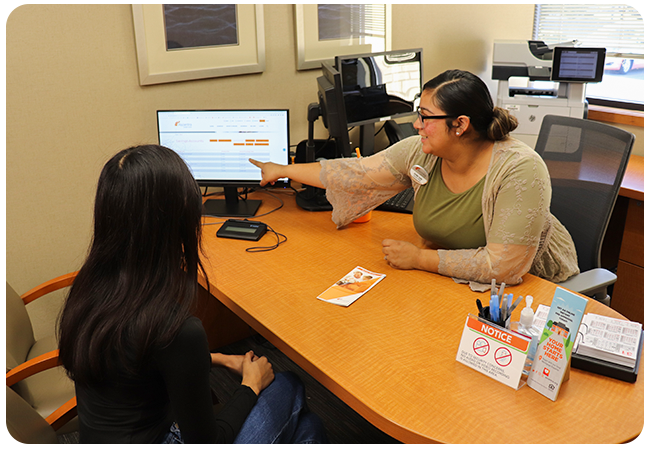
En Ascentra Credit Union, estamos comprometidos con la seguridad de la información y cuentas de nuestros miembros. Esta página le proporciona conocimientos y recursos para ayudarle a proteger su información personal y financiera.

Los estafadores utilizan diversos métodos de comunicación para robar información o engañar a los consumidores para que compartan su información personal. Lea a continuación para aprender cómo reconocer, denunciar y prevenir fraudes, estafas comunes, robo de identidad y delitos cibernéticos.

Ya sea que realice sus operaciones bancarias en persona, en línea o desde su dispositivo móvil, sus datos personales pueden ser vulnerables al robo de identidad y otros ataques. Los recursos disponibles aquí ofrecen consejos de prevención de fraude financiero.


Tarjetas Perdidas o Robadas

Si su tarjeta Visa® de crédito o débito ha sido extraviada o robada, por favor llámenos durante el horario laboral al (563) 355-0152 o al 1 (800) 426-5241.

Si llama fuera del horario laboral, comuníquese con los servicios de tarjetas al 1 (800) 472-3272 para tarjetas Visa de débito o al 1 (855) 632-9037 para tarjetas Visa de crédito.


Declaración de Seguridad

Ascentra Credit Union reconoce la importancia de proteger la privacidad de la información personal de nuestros miembros y nuestro objetivo es proteger dicha información en cada forma en que interactuamos con usted, ya sea en una sucursal, en uno de nuestros cajeros automáticos, por teléfono o en línea a través de Internet.

Ascentra Credit Union NUNCA le solicitará su Información Personal de Identificación a través de ningún medio de comunicación, incluyendo el PIN de su tarjeta de débito o crédito, un Código de Acceso Seguro (SAC), su usuario o contraseña de la Banca Digital. Si esto ocurre, deténgase y contacte directamente a la institución utilizando la información de contacto que se encuentra en un documento oficial para discutir la oferta o solicitud que ha recibido.

Si tiene alguna preocupación, visite una de nuestras sucursales o comuníquese con un representante de la sucursal digital al 563-355-0152 o mediante el chat en línea en ascentra.org.


Alertas de Fraude Urgentes

Estafa por Mensaje de Texto

Ascentra ha detectado estafadores que se hacen pasar por nosotros y envían mensajes de texto que parecen provenir de la cooperativa de crédito. Solicitan autorizar una compra mediante un enlace, o link, en el mensaje con el fin de obtener sus credenciales de Banca Digital. Recuerde que Ascentra nunca le llamará ni le enviará un mensaje de texto solicitando: credenciales de Banca Digital, Códigos de Acceso Seguro (SAC), números de cuenta, tarjetas de crédito o débito ni números PIN. Si recibe un mensaje así, elimínelo. Si desea verificar su autenticidad, llame directamente a Ascentra durante el horario laboral.

Estafa Telefónica

Ascentra ha detectado estafadores que se hacen pasar por nosotros y realizan llamadas telefónicas que aparentan provenir de la cooperativa de crédito para obtener información de nuestros miembros. Tenga en cuenta que Ascentra Credit Union nunca le llamará para solicitar información personal como credenciales de Banca Digital, Códigos de Acceso Seguro (SAC), números de cuenta, números de tarjetas de crédito o débito ni números PIN. Si el interlocutor le solicita esta información, cuelgue y llame directamente a Ascentra para asegurarse de estar hablando con un representante oficial.

Estafas y Fraudes Comunes

  • Estafas de Chantaje

    El objetivo de un chantajista es asustarlo para que le envíe dinero bajo amenaza de divulgar contenido privado de su computadora, teléfono o compartido con ellos mediante correo electrónico, mensaje de texto o redes sociales. Podrían pedirle que envíe dinero por transferencia, aplicación móvil, tarjeta de regalo o criptomoneda. En ocasiones, estos estafadores son completos extraños y, en otras, pueden ser personas que usted conoció en línea y en quienes creyó que podía confiar.

  • Estafas Amorosas

    Una estafa amorosa ocurre cuando una nueva pareja sentimental lo engaña para obtener su dinero. Estas estafas usualmente comienzan en línea. Los estafadores invierten tiempo en ganarse su confianza para hacerle creer que la relación es real antes de pedirle dinero, un préstamo o acceso a sus finanzas.

  • Estafas de impostores

    Los estafadores que actúan como impostores intentan persuadirle para que envíe dinero o comparta información de su cuenta, haciéndose pasar por personas conocidas o de confianza, como empleados gubernamentales. Algunas personas, en particular adultos de la tercera edad, han recibido llamadas telefónicas o videollamadas de individuos que utilizan los nombres de empleados de la Oficina para la Protección Financiera del Consumidor (CFPB).

    La CFPB NO se comunica con las personas para solicitar el pago de tarifas o impuestos relacionados con demandas colectivas o loterías. Asimismo, no requerimos que nos proporcione información personal para poder cobrar un cheque que le hayamos enviado.

    Los estafadores pueden hacerse pasar por autoridades y amenazar con consecuencias legales si no se realiza un pago, o bien, pueden fingir representar a organizaciones benéficas que solicitan donaciones. Otros mensajes fraudulentos pueden parecer provenientes de bancos u otras entidades, alegando la existencia de hackeos, actividades fraudulentas u otros problemas, con el fin de obtener información personal o detalles de su cuenta.

  • Estafas de Mulas de Dinero

    Una "mula de dinero" es alguien que recibe y transfiere dinero obtenido fraudulentamente. Algunas personas colaboran sin saber que están ayudando a criminales.

    Pueden ser reclutadas mediante anuncios de trabajo en línea o redes sociales que prometen dinero fácil. Otras son engañadas por una supuesta pareja amorosa que les pide mover dinero como parte de una estafa romántica.

  • Estafas de Caridad

    Una estafa de organizaciones benéficas ocurre cuando un ladrón se hace pasar por una organización benéfica legítima o inventa el nombre de una entidad que suena auténtica para obtener dinero de usted.

    Estas estafas suelen aumentar durante la temporada navideña, así como después de desastres naturales y emergencias, tales como tormentas, incendios forestales o terremotos. Debe tener precaución cuando una organización benéfica le contacte para solicitar donaciones, especialmente si sugieren que están haciendo seguimiento a una promesa de donación que usted no recuerda haber realizado. Asimismo, esté atento a estafadores que intenten persuadirlo para donar mediante transmisiones en vivo en redes sociales, imágenes alteradas o imágenes y voces generadas por inteligencia artificial (IA). Normalmente, le solicitarán que envíe dinero en línea, frecuentemente utilizando criptomonedas, para obtener sus fondos con rapidez.
  • Estafas de Liquidación de Deudas

    Las empresas de alivio de deudas prometen renegociar o cambiar términos de deudas, pero pueden ser riesgosas y dejarlo con más deuda. Tenga mucho cuidado al tratar con estas compañías.

  • Estafas de Loterías o Premios

    En una estafa relacionada con loterías o premios, los estafadores pueden llamarle, enviarle un mensaje de texto o un correo electrónico para informarle que ha ganado un premio a través de una lotería o sorteo, y luego solicitarle un pago anticipado para cubrir supuestas tarifas e impuestos. En algunos casos, pueden afirmar que representan a una agencia del gobierno federal, como la CFPB.

  • Fraude en Servicios de Pago o Transferencia Móvil

    Los estafadores utilizan transferencias de dinero y otros métodos similares para apropiarse del dinero de las personas. Si alguien que no conoce le pide que le envíe dinero  incluso si afirma pertenecer a una agencia gubernamental, esto debe ser una señal de alerta.

     La forma más segura de proteger su dinero al utilizar servicios de pago móvil es usarlos únicamente con familiares, amigos u otras personas que conozca y en quienes confíe. Aun así, debe actuar con precaución incluso cuando personas conocidas le soliciten dinero.

  • Estafas de Cobro de Deudas

    Algunos estafadores fingen ser cobradores para hacerle pagar deudas inexistentes. Verifique siempre la legitimidad del cobrador.

  • Estafas del Nieto

    Si recibe una llamada de alguien que suena como un nieto o familiar y le pide que envíe dinero mediante transferencia, giro bancario o tarjetas de regalo para sacarlo de un supuesto problema, podría tratarse de una estafa. El uso de inteligencia artificial ha facilitado a los estafadores clonar voces y manipular imágenes, haciendo que parezca que alguien cercano realmente necesita ayuda. Este tipo de fraude apela a las emociones y es una de las estafas más utilizadas para engañar a adultos mayores, especialmente durante la temporada navideña.

  • Fraude por Correo Postal

    Las cartas utilizadas en fraudes por correo suelen parecer auténticas, pero las promesas que contienen son falsas. Una señal de advertencia común es que le pidan enviar dinero o información personal de inmediato para recibir, supuestamente, algo de valor más adelante.

    Ejemplos de fraude por correo pueden incluir notificaciones sobre premios, sorteos ganados, vacaciones u otras ofertas para reclamar artículos valiosos.

  • Estafas en el Cierre de Hipotecas

    Las estafas en cierres hipotecarios están dirigidas a compradores de vivienda que se encuentran cerca de la fecha de cierre de su préstamo hipotecario. El estafador intenta robar los fondos destinados al cierre. Por ejemplo, el pago inicial y los costos de cierre, enviándole un correo electrónico en el que se hace pasar por su agente de bienes y raíces o por el agente de cierre (como la compañía de títulos, el oficial de depósito en garantía o su abogado).

Artículos Recientes sobre Fraude

5 Tips for How to File Taxes for the First Time

  • mar. 4, 2021
TurboTax 2021
Filing taxes for the first time is a big milestone for any young adult. In the past, your parents may have handled tax filing for you, but now it's your turn to take charge of your finances and file your own return. To help you cruise through the process, here are some quick tips for how to file taxes on your own for the first time.

1. Gather all of your tax documents

If you're expecting a refund, you might be eager to file your tax return as soon as you can. Throughout January, February and even March, you can still receive important tax documents in your mailbox, email or online.

Collect all the tax documents needed for your taxes before you begin, such as your

• W-2s,
• 1099s,
• tax forms that report other types of income,
• tax deductions, and
• receipts.

If you file without one of these forms, you might need to amend your tax return later.

Take a minute and think about anything you did in the past year that might impact your taxes, such as:

• Changing jobs
• Opening a new savings account
• Selling stocks or mutual funds
• Paying college tuition or student loan interest

2. Decide whether your parents can claim you as a dependent


Many young adults get financial assistance from their parents, even after they start earning their own money. You might still live with your parents, get money from them to help with living expenses, or they may be paying for your education. If so, your parents might still claim you as a dependent on their tax return.

There are two ways your parents might claim you as a dependent:

• Qualifying child. If you're under the age of 19 (or under age 24 and a full-time student) and your parents provide more than half of your financial support, your parents can likely claim you as a qualifying child.
• Qualifying relative. If you're not a qualifying child, your parents might be able to claim you as a qualifying relative if you earned less than $4,300 in 2020, lived with your parents all year and your parents paid more than half of your total support for the year.

If your parents claim you as a dependent, they might be able to get certain tax benefits, such as education tax credits and the Credit for Other Dependents. You still have to file a tax return if you had enough income, but when you prepare your return, you'll have to indicate that you can be claimed as dependent on someone else’s return.

Before you file, talk to your parents to find out whether they intend to claim you as a dependent so everyone is on the same page.

3. Consider relevant tax deductions and credits

Tax deductions and credits can lower your overall tax bill and even increase your refund, so you want to make sure you take advantage of everything you’re entitled to claim.

Some common tax deductions and credits for first-time filers include:

• Education credits like the American Opportunity Credit and the Lifetime Learning Credit
• Student loan interest deduction
• Standard deduction or itemized deductions
• Earned Income Tax Credit
• Home office deduction, if you are self-employed

Don’t worry about researching the rules for claiming these tax credits and deductions. TurboTax will ask simple questions to help you claim the tax breaks you’re eligible for.

4. Don't forget about your gig economy income

Millions of young people participate in the gig economy as rideshare drivers, making package or food deliveries, freelancing full or part-time or working as a project-based consultant. If you've earned income from freelancing, don't forget to report your gig work income on your tax return.

• Depending on how much you earn, you may receive a 1099-MISC for your work. But even if you don't, you still need to report the income to the IRS.
• You'll report your gig work income on Schedule C attached to your Form 1040.
• Usually, you can deduct any expenses related to your gig work, such as miles driven, supplies and advertising costs on Schedule C as well.

5. File electronically

Nowadays, you can do most everything from paying your bills to ordering lunch online, and filing your taxes is no exception. Using TurboTax makes the tax filing process simple because it walks you through a series of questions, fills out the right forms and helps ensure you claim all the right credits and deductions.

If you choose to e-file your return rather than print and mail it to the IRS, you don't have to think about the correct postage or stand in line at the post office.

• The IRS estimates that taxpayers who e-file their tax returns often have their refunds issued in as little as three weeks.
• You’ll often receive your refund even faster if you choose to have your tax refund directly deposited into your checking or savings account.

Now that you’re on the way to filing your taxes for the first time, it’ll only get easier.  Remember, TurboTax will ask you simple questions and walk you through the whole process from forms to deductions to credits so that you can get the biggest refund you qualify for when you file taxes for the first time.

If you have not filed your taxes yet, Ascentra Members can save by using TurboTax. Learn more about this offer here.

Latest Fraud Videos


Fraud FAQs

5 Tips for How to File Taxes for the First Time

  • mar. 4, 2021
TurboTax 2021
Filing taxes for the first time is a big milestone for any young adult. In the past, your parents may have handled tax filing for you, but now it's your turn to take charge of your finances and file your own return. To help you cruise through the process, here are some quick tips for how to file taxes on your own for the first time.

1. Gather all of your tax documents

If you're expecting a refund, you might be eager to file your tax return as soon as you can. Throughout January, February and even March, you can still receive important tax documents in your mailbox, email or online.

Collect all the tax documents needed for your taxes before you begin, such as your

• W-2s,
• 1099s,
• tax forms that report other types of income,
• tax deductions, and
• receipts.

If you file without one of these forms, you might need to amend your tax return later.

Take a minute and think about anything you did in the past year that might impact your taxes, such as:

• Changing jobs
• Opening a new savings account
• Selling stocks or mutual funds
• Paying college tuition or student loan interest

2. Decide whether your parents can claim you as a dependent


Many young adults get financial assistance from their parents, even after they start earning their own money. You might still live with your parents, get money from them to help with living expenses, or they may be paying for your education. If so, your parents might still claim you as a dependent on their tax return.

There are two ways your parents might claim you as a dependent:

• Qualifying child. If you're under the age of 19 (or under age 24 and a full-time student) and your parents provide more than half of your financial support, your parents can likely claim you as a qualifying child.
• Qualifying relative. If you're not a qualifying child, your parents might be able to claim you as a qualifying relative if you earned less than $4,300 in 2020, lived with your parents all year and your parents paid more than half of your total support for the year.

If your parents claim you as a dependent, they might be able to get certain tax benefits, such as education tax credits and the Credit for Other Dependents. You still have to file a tax return if you had enough income, but when you prepare your return, you'll have to indicate that you can be claimed as dependent on someone else’s return.

Before you file, talk to your parents to find out whether they intend to claim you as a dependent so everyone is on the same page.

3. Consider relevant tax deductions and credits

Tax deductions and credits can lower your overall tax bill and even increase your refund, so you want to make sure you take advantage of everything you’re entitled to claim.

Some common tax deductions and credits for first-time filers include:

• Education credits like the American Opportunity Credit and the Lifetime Learning Credit
• Student loan interest deduction
• Standard deduction or itemized deductions
• Earned Income Tax Credit
• Home office deduction, if you are self-employed

Don’t worry about researching the rules for claiming these tax credits and deductions. TurboTax will ask simple questions to help you claim the tax breaks you’re eligible for.

4. Don't forget about your gig economy income

Millions of young people participate in the gig economy as rideshare drivers, making package or food deliveries, freelancing full or part-time or working as a project-based consultant. If you've earned income from freelancing, don't forget to report your gig work income on your tax return.

• Depending on how much you earn, you may receive a 1099-MISC for your work. But even if you don't, you still need to report the income to the IRS.
• You'll report your gig work income on Schedule C attached to your Form 1040.
• Usually, you can deduct any expenses related to your gig work, such as miles driven, supplies and advertising costs on Schedule C as well.

5. File electronically

Nowadays, you can do most everything from paying your bills to ordering lunch online, and filing your taxes is no exception. Using TurboTax makes the tax filing process simple because it walks you through a series of questions, fills out the right forms and helps ensure you claim all the right credits and deductions.

If you choose to e-file your return rather than print and mail it to the IRS, you don't have to think about the correct postage or stand in line at the post office.

• The IRS estimates that taxpayers who e-file their tax returns often have their refunds issued in as little as three weeks.
• You’ll often receive your refund even faster if you choose to have your tax refund directly deposited into your checking or savings account.

Now that you’re on the way to filing your taxes for the first time, it’ll only get easier.  Remember, TurboTax will ask you simple questions and walk you through the whole process from forms to deductions to credits so that you can get the biggest refund you qualify for when you file taxes for the first time.

If you have not filed your taxes yet, Ascentra Members can save by using TurboTax. Learn more about this offer here.